Search Results
1892 results for “male female”

A Complete Guide to Pet Spay and Neuter Surgery
Spaying or neutering is one of the most responsible decisions a pet owner can make. For dogs and cats, the ideal window is around 6 to 8 months of age, ideally before the first heat cycle, which lowers the risk of reproductive diseases and unwanted behaviors. The procedure should only be performed on a healthy animal that is fully vaccinated, has adequate antibody levels, and is regularly dewormed. Once you choose a trusted veterinary clinic, you can book the surgery and share your pet's age, vaccination, and deworming history. The clinic will explain pre-operative fasting rules. This guide walks you through the timing, preparation, and the step-by-step process on the day of the operation so you know exactly what to expect.

Why Has My Dog Suddenly Gone Quiet and Calm?
A dog that is normally playful but suddenly turns quiet and still may simply be in a low mood, or it could be telling you something is wrong. The shift often comes from four situations: feeling down, adjusting to a new environment, being unwell, or pregnancy in a female dog. Because quiet behavior can mask illness, owners should weigh the context and watch for other signs like changes in appetite or stool. This guide explains each reason so you can respond with comfort, patience, or a timely vet visit.

Ear Mites in Dogs: Why the Smell Means Trouble
Ear mites (Otodectes) are ear-canal parasites that feed on lymph and fluid; females are 0.35–0.45 mm, males 0.275–0.36 mm—barely visible white dots. Left untreated they cause inflammation and crusting within about two weeks and can progress to middle or inner ear infection, even hearing loss and loss of balance. Signs: foul-smelling dark ear discharge, head-shaking and scratching, and sometimes worsened tear stains (the ear and facial nerves connect). Treat by isolating the dog and disinfecting its space, cleaning the canal, and applying a miticide as directed until gone; prevent with routine ear care. If it won't clear, see a vet. (Mites rarely infect people.)

Treating Hookworm Infection in Dogs
Hookworm disease in dogs is caused by the dog hookworm (Ancylostoma) and the narrow-head hookworm (Uncinaria). These small parasites latch onto the intestinal wall and feed on blood; severe infection causes pale mucous membranes, weight loss, a rough coat, poor appetite, vomiting, and alternating diarrhea and constipation with bloody, tarry, foul stools. In puppies, skin invasion causes inflammation, and infection in 3-week-old pups can cause fatal anemia. Treatment starts with deworming—an injectable antiparasitic against hookworms, with pyrantel or levamisole also used for killing—and severe cases need supportive care such as iron supplements or a transfusion for anemia.

Should You Spay or Neuter a Dog Even If It Has a Mate?
Neutering is worth doing whether or not a dog has a mate. Without it, unplanned mating and unlimited breeding are hard to prevent: males can grow suddenly aggressive and escape during heat, and they may mate with several females, while females keep cycling until pregnant. Frequent breeding also harms the mother—repeated litters weaken her, lower immunity, and shorten lifespan, and can compromise puppy health. For your dog's health and longevity, neutering is advisable even when a mate is present.

Should You Spay or Neuter Your Cat?
Deciding whether to spay or neuter your cat is a personal choice with real trade-offs. Benefits include fewer diseases—neutering males lowers urinary and prostate problems and stops territorial spraying and aggression, while spaying females prevents ovarian cysts, pyometra, and mammary or ovarian tumors—plus a longer average lifespan and calmer behavior. The main drawback is a higher obesity risk because hormones shift and activity drops, which raises the chances of diabetes, joint, heart, and urinary-stone problems, especially in males. The right call depends on your cat; if you proceed, always use a licensed veterinary clinic.
How can I help my dog come into heat faster?
You can help a dog come into heat by improving nutrition with high-protein foods like chicken breast, egg yolk, beef, goat-milk powder, and canned food to strengthen her body. Exposure to an opposite-sex dog in heat can also trigger estrus through scent and interaction. Heat normally begins after 8 months of age and peaks in spring and autumn, so hormone stimulants should be avoided.
My cat has pink, blood-tinged urine
Blood in cat urine can signal a urinary tract infection, stones, or cystitis. See a vet for urinalysis and diagnosis. If a vet visit isn't immediate, you may give an amoxicillin-clavulanate anti-inflammatory, but distinguish it from normal estrus bleeding.
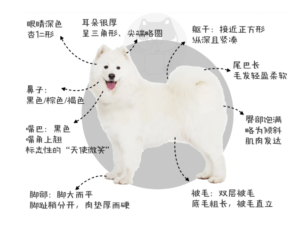
The Samoyed: A ‘Smiling Angel’—but Think Twice Before You Commit
The Samoyed's famous 'smile' is real, and so is its friendliness, trainability, and adaptability. But this breed sheds heavily, needs daily exercise, has a sensitive stomach, and shows its share of health issues—tear stains, dermatitis, heatstroke, obesity, and hip dysplasia. Before you fall for the looks, weigh the work it takes to keep one happy and healthy.

Is a Cat in Heat in Pain When It Won’t Stop Meowing? How to Soothe It
A cat that yowls through heat is genuinely uncomfortable, though not in physical pain—hormone swings bring anxiety and a strong drive to mate, and the loud calls are an instinct to attract distant partners. You can't switch it off, but play, pheromones, warmth, and a calm dim space ease the distress. Spaying is the only lasting cure.