Search Results
21 results for “lunging”
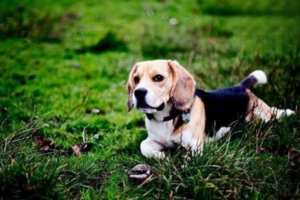
Stop Your Dog from Pulling on the Leash
Leash bolting, or lunging, happens when an under-exercised or off-lead dog suddenly surges ahead and ignores commands. Regain control by staying calm, keeping the lead short, claiming the leadership role, and rewarding the dog for walking at your side.

How a Small Person Can Walk a Large Dog
Walking a large dog is about control through training, not strength: when the dog lunges, plant your feet and stand still so it learns lunging gets it nowhere, then reward it for coming back. Games like 'follow me,' heel practice, more exercise, and recall work turn a pulling giant into a calm companion.

Why Dogs Lunge on the Leash (and How to Fix It)
Seen an owner being pulled by their dog? Maybe you - because that owner could be you. It's common everywhere, yet correction works faster abroad. Today we look at how to fix leash lunging.

Tips for a Safe Road Trip with Your Dog
Driving home with your dog for the holidays? Pack a safety kit, use a pet seat belt, avoid toxic foods like chocolate and grapes, and protect nervous dogs from fireworks. Good preparation keeps the trip safe for everyone.

Why Your Dog Treats You Like a Subordinate
When a dog sees itself as the boss, it may bark excessively, guard furniture, resource-guard, or pull on walks. Recognize the signs and reassert calm leadership.

Cat and Dog Scratches, Bites, and Wound Care
Know how to handle being scratched or bitten by a pet and how to treat a pet's own fight wounds: clean promptly, watch rabies risk, respect sensitive body parts, and use antibiotics and a collar to prevent infection.
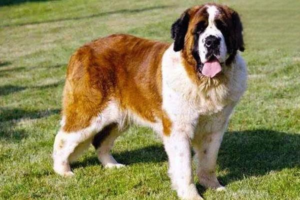
Why Do Dogs Lunge on the Leash?
Many owners have experienced a dog that bolts and pulls so hard on the walk that it is unclear who is walking whom. This article explains what leash lunging is, why dogs do it, and how to correct the behavior safely.
How can I stop my dog from chasing the cat?
Methods: socialize dog and cat from puppyhood so the dog respects the cat. For adult dogs, put the cat in a cage/safe spot, leash the dog near it; if it attacks/lunges, pull the leash and scold; if calm with no chase, reward. If hard to correct or serious conflict, get a professional behaviorist/trainer.
What does it look like when a dog is angry?
An annoyed or angry dog may bristle, arch its back, tuck or whip its tail, widen eyes with dilated pupils, and pace. Some Huff or growl to warn; in extremes they may attack by lunging or biting. Give it space to calm down.
How can I teach my dog not to bite ducks?
Biting may stem from curiosity, play, prey drive, or fear. Keep the duck in a cage and leash the dog nearby so it can't harm the duck. When the dog shows attack behavior (low growl, lunging), scold it; reward it when it stops. Give snacks or toys to distract it.