Search Results
40 results for “low calorie dog treat”

Causes of Kidney Failure in Dogs
Kidney failure has two types—acute (sudden, toxin-linked) and chronic (slow, age-linked). Causes include heart disease, toxins (human meds, grapes, chocolate), genes, old age, fight injury, no neuter with unmet heat, leptospira infection, and greasy diet. Regular checkups help prevent it.

What to Do About Your Dog’s Bad Breath?
Dog bad breath often comes from poor oral hygiene, periodontal disease, diet, or internal illness. Brush several times a week (daily for wet-food dogs) with pet toothpaste, feed dry kibble, keep regular meal times, and see a vet if it persists to rule out gut or kidney disease.
How Important Is Keeping Your Dog Warm in Winter
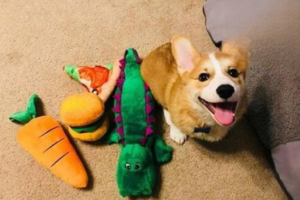
Puppies, sick dogs, seniors, and pregnant or nursing dogs need extra warmth; other dogs are not very cold-sensitive while active, but in cold regions you must still insulate the dog house, bed, and crate. Cold weather also cuts appetite for clear reasons: less exercise slows digestion and causes food to sit; shorter walks lower calorie need; colds and flu suppress appetite; and cold or frozen food and water cause diarrhea. Protect your dog by expanding indoor space when walks are impractical, dressing puppies or dogs in cold spots, serving warmed food and water (never cold), avoiding overfeeding, drying the coat fully after baths, and walking at the warmest midday hours. New winter dog owners should be especially careful with warmth, clean bedding, and not overfeeding sleepy puppies.

How Many Calories Are in Dog Food and How Many Does a Dog Need?
A dog's calorie needs vary by age, size, and breed, and different foods vary too. Growing and breeding dogs need 2–4× the calories of adult dogs; this guide explains food calorie content and daily requirements by size.

Is It Normal for a Dog’s Paws to Feel Cold?
Cold paws can be weather, low body heat from poor diet, or illness such as heart or nerve disease and low blood volume. Warm and feed first; if that fails, see a vet - cold paws alone are a clue, not proof.

Symptoms and Treatment of Stomatitis in Dogs
Dog stomatitis is usually caused by infection of a wound in the mouth and needs prompt treatment, or the dog may struggle to eat and lose weight. Watch for drooling, red and swollen gums, and bad breath, then ease the diet to soft food, encourage water, keep the mouth clean, and see a vet if it worsens.
How Long Does It Take to Cure Pancreatitis in Dogs?
Mild pancreatitis recovers within about a week of treatment; exact time depends on severity, method, and constitution. During treatment use medication, fluids, and a light diet; after recovery keep to vet directed diet.

Why Do Dogs Get Lipomas?
Slowed metabolism and poor diet are the main drivers of dog lipomas, common in obese older dogs. Most are benign and need no treatment unless growing fast or infiltrative, when surgery is used. Prevent with a balanced low-fat high-fiber high-protein diet, keeping toxins away, and a healthy weight via exercise and checkups.
When does a dog need to lose weight?
When weight exceeds the healthy range it's time to diet, since obesity raises risks of high lipids, high blood sugar, osteoarthritis and heart/lung disease. Control portions with low-calorie food fed on schedule, exercise daily, and avoid excess treats and human food—use low-calorie veggies like carrot, cabbage and apple.

How to Handle Milk Engorgement in Nursing Dogs
Milk engorgement in lactating dogs is common and, when mild, can be eased by adjusting the diet and gently massaging or warm-compressing the mammary glands. Severe cases—especially those involving mastitis—require prompt veterinary attention, often with antibiotics and manual milk drainage. Preventive care centers on balanced feeding, moderate exercise, and stress reduction.