Search Results
403 results for “low body temperature”

Why Does My Cat Keep Sticking Out Its Tongue?
A cat that keeps its tongue out is not always being cute, it can signal an underlying issue. Mild tongue protrusion is normal when a cat pants to cool down in heat, but it may also point to respiratory problems such as infection, asthma, allergies, or a foreign object in the airway, often with coughing or labored breathing. Oral pain, stress and fear, and certain heart conditions can also cause it. Provide a cool, calm environment and comfort a stressed cat, but if the behavior persists or comes with other symptoms, have a veterinarian check for respiratory, oral, or cardiac causes.
What Are the “Old Three” Fish-Keeping Remedies?
The "Old Three" is a classic, must-know technique every fish keeper should learn, and the go-to treatment when fish fall ill. It rests on three simple, low-stress steps: water change, raising the temperature, and adding salt. Regular water changes flush out waste, pathogens, and parasites to keep the tank clean. A modest temperature bump speeds up the fish's metabolism and boosts its immunity. Salt—used at a low concentration—shifts the water's osmotic pressure so bacteria struggle to enter the body and the fish's organs work less hard. Together these measures support recovery and protect your fish's long-term health.
Dog Panting After a Short Walk? Watch for Heart Trouble
Panting after a brief walk is not always harmless—it can be a dog's heart crying for help. Heat, obesity, and flat-faced breeds pant normally and recover within minutes, but sudden breathlessness at rest, coughing at night, bluish gums, or constant fatigue warrant prompt cardiac screening. Early diagnosis and steady daily care can dramatically slow heart disease.
Why Is Your Ornamental Fish Turning White?
When an ornamental fish starts turning white, it is usually a sign of trouble. Common causes include fungal or parasitic infections such as saprolegniasis, neon-tetra disease, or white spot disease; poor water quality with high ammonia or low temperature; unbalanced nutrition; or simply genetics in fish that are naturally pale. Check for lethargy and appetite loss, test and stabilize the water, and feed a proper species-specific diet. If illness is the cause, consult a veterinarian for timely treatment.
Why Is My Dog So Sleepy in Summer?
Many dogs seem lazier and sleep far more once summer arrives. In most cases this is a normal response to heat—dogs cool themselves mainly by panting and through their paw pads, so they naturally slow down to avoid overheating. However, persistent lethargy paired with panting, a rising temperature, or appetite loss can signal heatstroke or illness. Keep your dog cool, hydrated, and walk them during cooler hours to stay safe.
Why Cats Eat Less in Winter (and What to Do)
Cats are poor at regulating body temperature, so when it gets cold their metabolism slows and appetite often drops. Lower winter activity also weakens gut motility, slowing digestion and leading to reduced interest in food. Appetite loss can also signal a health problem—a chill, a cold, oral disease, or long-term cold drinking water causing stomach upset. To help, warm your cat's surroundings, feed on a fixed schedule, and boost palatability by mixing in favorites like chicken, fish, freeze-dried treats, or egg yolk, and serve food slightly warmed. If you notice sneezing, runny nose, lethargy, fever, diarrhea, or vomiting, see a vet.
Chinchilla Twitching: Causes and How to Respond
Occasional mild twitching or trembling in a chinchilla can be perfectly normal—chinchillas often flick their faces to sense air currents and check for danger. However, repeated or severe twitching may point to a nutritional imbalance, chronic stress, or an underlying illness. Calcium or vitamin B1 deficiency, loud or bright stressful environments, and conditions such as liver disease, diabetes, epilepsy, or poisoning can all trigger muscle spasms. Because twitching can be an early warning sign, owners should observe their pet closely and seek veterinary care if the behavior is frequent or comes with other symptoms. A balanced diet, a calm and comfortable habitat, and stable temperatures are the best preventive measures.
Why Dogs Drink Less in Cold Weather (and Why It Matters)
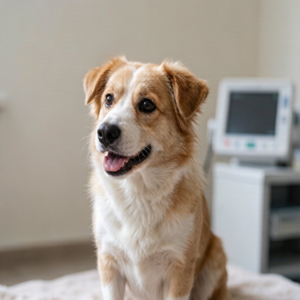
As temperatures drop, many dogs drink far less, but winter dehydration is no minor issue — it can concentrate urine, form mineral crystals, and lead to urinary tract infections, stones, or even blockages. Low water also slows digestion and causes constipation, strains the kidneys, and thickens the blood, burdening the heart. A healthy adult dog needs 40–60 ml of water per kg daily, and no less than 30 ml/kg in winter. To encourage drinking, offer warm water (28–40°C), add a splash of something tasty like broth, place bowls around the home, use a flowing fountain, and boost activity on sunny days so your dog drinks after exercise.
Why Doesn’t My Cat Throw Up Hairballs
Cats groom constantly, so they swallow hair - but not every cat throws it back up. Swallowed hair usually passes with food into the stomach and on through the intestines, leaving in the stool; only when the stomach flags it as a foreign body does the brain trigger a vomit. So a cat that rarely hacks up hairballs is often just moving the hair through normally. More frequent grooming can signal fear or stress. The real concern is hairball syndrome, where a matted clump blocks the stomach outlet and causes repeated violent vomiting and dehydration - see a vet if vomiting happens many times a day. Prevent it by regular brushing, trimming long coats, and hairball-control food with extra fiber.
Why Is My Hamster Limp and Weak?
A hamster that feels limp and weak can have many causes, and the symptom alone is hard to pin down. Common reasons include a poor environment, low blood sugar, malnutrition, digestive trouble, or infection such as respiratory disease, liver problems, or diabetes. Offer rich nutrition and a warm, clean, well-ventilated home with room to move, and if weakness continues or comes with vomiting, diarrhea, discharge, or temperature change, take the hamster to a veterinarian.