Search Results
283 results for “loose skin”

Autumn Cat Care Tips
As summer fades, the change to autumn brings special reactions in cats — seasonal shedding, estrus, and a dip in resistance. Learn the key points of caring for a cat in fall.

Do Corgis Shed? Causes and How to Manage It
Corgi owners know these dogs do shed, but the reasons vary and need a careful eye to tell apart. From shedding season to skin disease, learn why Corgis lose fur and how to keep it under control.

How to Groom a Rabbit?
Rabbits molt heavily every three months and need daily brushing during shedding season to stop them swallowing loose fur. Use a pin brush stroked with the coat, or a damp towel for rabbits that resist combs. Routine grooming is the simplest way to prevent dangerous wool block (hairball syndrome).
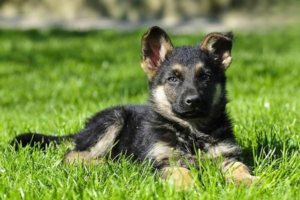
What to Keep in Mind When Walking Your Dog
Autumn is here and the weather cools—good walking season! Though early rising is hard, with the dog it's easier. Owners walk dogs often, but walking isn't random—some things to note. Today we discuss dog-walking precautions.

How to Care for Kits in Winter
Winter's cold is very harmful to kits; owners must step up care. Here is what to do so rabbits get through winter safely.

Rabbit Staphylococcosis: Causes, Symptoms and Treatment
Rabbit staphylococcosis is a common contagious disease caused by Staphylococcus aureus. It can lead to abscesses, mastitis, pododermatitis and neonatal yellow urine disease. Learn how to recognize and treat each condition.
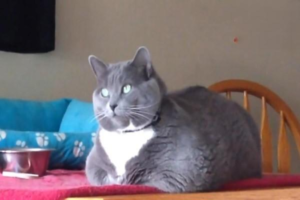
How to Tackle Cat Shedding
At the mention of shedding, many owners have something to say. Some feel helpless and just clean up silently; others have various ways to manage their cat's coat that keep it looking great while saving themselves effort. Today we talk about cat shedding.

Why Is Your Cat Throwing Up Yellow Liquid, and What to Do?
Yellow vomit is mostly hairballs. Occasional vomiting is normal, but frequent hair vomiting means hairball syndrome—a blockage risk. Fix it by brushing often and growing cat grass; never shave the cat.
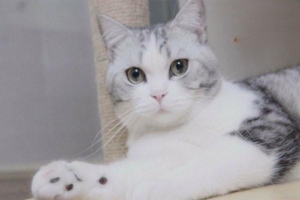
Why Does My Cat Have Stinky Paws
Smelly cat paws usually come from stepping in poop, interdigital dermatitis, sweaty pads, or bad breath. Keep paws trimmed and clean, watch for limping or red skin, and see a vet for infection or stomatitis.

How to Tell if Your Rabbit Is Healthy
A rabbit's body and behavior reveal its health. This guide walks through outward signs, coat and skin, ears and nose, and urine and droppings so owners can judge well-being at a glance.