Search Results
1529 results for “liver”

Things to Know About Cat Labor and Delivery
Like dogs, cats are multiparous, usually about four per litter, with a ~65-day pregnancy and normal labor lasting 2–6 hours. Occasionally only one or two are born, usually in first-time or older mothers. Most cats deliver naturally, but complications occur: premature, delayed, prolonged, or difficult labor.
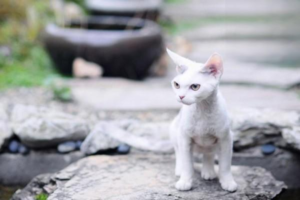
Don’t Starve a Picky Cat for Days — It Can Cause Fatty Liver
As is well known, a cat's taste buds are sensitive, so they are picky eaters. When owners suddenly switch to new food or buy new treats on a whim, the cat may simply refuse them.

Cat Liver Failure: Causes and Treatment
Liver failure refers to the loss of more than 75% of liver function, followed by severe and widespread hepatic necrosis. This syndrome is more common in dogs than in cats, and it shows no preference for age, breed, or sex.

What to Do When a Cat Has Fatty Liver Disease
Cat fatty liver cannot heal on its own - it needs monitoring equipment and a vet's skill, like a nasal tube for an anorexic cat. You cannot cure it at home, and earlier is better. Here is how it is treated.

Why Starvation Can Cause Fatty Liver in Cats
Most animals get fatty liver from too much food, but cats are the opposite too - they can get it from not eating. Here is the mechanism, and the common types and signs.

Is Cat Fatty Liver the Same as Human Fatty Liver?
Cat fatty liver differs from the human kind: besides obesity, long-term not eating is a major feline cause. Causes vary - low protein, metabolic failure, toxins - so treatment differs too. Here is how it is treated and prevented.
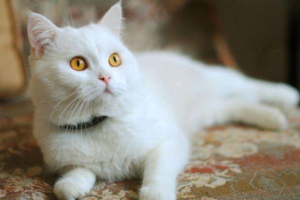
Do You Really Understand Cat Fatty Liver Disease?
Human fatty liver is mostly from obesity and alcohol, but cats are different: while obesity is one factor, a large share of feline fatty liver comes from not eating. Here is why, and how to prevent it.

How to Care for a Cat with Fatty Liver Disease
Treating feline fatty liver has two stages: a stabilization phase and a long care phase. Stabilization needs hospital observation; care can be done at home. Here is what each involves.
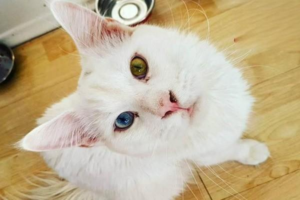
Why Cats Develop Fatty Liver Disease
Fatty liver in cats is almost always a sign of an underlying problem — a hidden illness, obesity, diabetes, or stress from big changes. Cornell research found most cases are linked to other diseases. The disease is split into secondary (caused by another condition) and primary (cause unknown), but both progress the same way and need the same treatment.

Feline Hepatic Lipidosis (Fatty Liver Disease)
Hepatic lipidosis, or fatty liver disease, is the most common liver disorder in cats — especially in indoor, overweight pets. It cannot heal on its own and needs prompt treatment. While 'starvation' is often blamed, the real driver is usually an underlying illness or sudden weight loss, and obesity is a major risk factor.