Search Results
295 results for “liver support”
Kitten overdosed on cefpodoxime proxetil; diarrhea, lethargy, no appetite.
An antibiotic overdose harms the liver and kidneys; take the kitten to a vet for inducing vomiting, fluids, and liver support. Small ingestion causes mild vomiting/diarrhea; large amounts bring breathing trouble, anemia, jaundice.
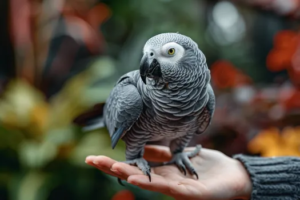
How to Treat Trichomoniasis in Parrots
Parrot trichomoniasis is a widespread protozoal disease also seen in pigeons and quail. Treat with dimetridazole or ronidazole in drinking water, plus metronidazole for 7–10 days with liver support. Prevention means clean cages and separating chicks from mothers. This article details the care.
Why Does a Cat Suddenly Get Kidney Failure?
Cat kidney failure is acute or chronic. Acute causes include poisoning, urethral blockage, and low renal perfusion; chronic comes from long-term toxin damage. Treatment is fluids, liver support, and symptomatic care; acute failure is fatal fast without prompt care.

Why Is There Blood in Your Dog’s Urine? (Causes and What to Do)
Blood in your dog's urine can be caused by several issues — heat (estrus), poisoning, or urinary system diseases. The exact cause must be judged from your dog's symptoms. Below we break down the reasons behind bloody urine in dogs.

What Dewormer for Parrots? How to Use the Spray?
Even caged parrots get mites, lice, nematodes, and trichomonads. Here are parrot dewormers and how to use them.

Can Turtles Get Constipated? Why and How to Fix It
Turtles do get constipated, usually from low fiber, swallowed objects, too little exercise, or a poor environment. Fixes range from edible oil or mild laxatives and enemas to probiotics, with vet care for severe cases that become obstruction. This article explains the causes and treatments.
Cat is vomiting white foam, lethargic and can’t defecate — what’s wrong?
Lethargy, vomiting and dry stools suggest constipation from hairballs or liver/gallbladder disease. Give cat grass or hairball paste plus probiotics. If unresolved, see a vet for bloodwork and imaging and treat the liver.

Warfarin (Anticoagulant Rodenticide) Poisoning in Dogs and Cats
Warfarin is an anticoagulant rodenticide that blocks vitamin K, so poisoned pets bleed internally and may die suddenly or bruise easily. Vitamin K1 and, in severe cases, transfusion are the core treatments.

Acute Hepatitis in Dogs and Cats
Acute hepatitis is a sudden inflammation of the liver cells, marked by jaundice, acute digestive upset, and sometimes nervous signs. Affected pets lose appetite, vomit, and may develop tremors or coma; treatment supports the liver and controls the cause and infection.

Canine Babesiosis: Symptoms, Treatment, and Prevention
Canine babesiosis is a tick-borne protozoal disease caused by Babesia species that destroy red blood cells, leading to severe anemia and hemoglobinuria. It is treated with babesiacides and supportive care, including transfusion in severe cases.