Search Results
295 results for “liver support”

Caring for Senior Cats and Dogs: A Stage-by-Stage Longevity Plan
Cats and dogs are considered senior at around age 7, when metabolism slows and organ function begins to decline. With staged, careful care, companion pets can live an average of 2–3 years longer. This guide breaks senior care into three phases—ages 7–9, 10–12, and 13 and up—covering diet adjustments, weight control, dental and joint support, stress avoidance, and a sensible checkup schedule. The goal is not expensive supplements but steady, calm, well-planned daily care.

Choosing a CoQ10 Supplement for Your Pet’s Heart
Pets past about seven years old decline fast, and heart disease is among the highest-risk threats: mitral valve disease and dilated cardiomyopathy in dogs, hypertrophic cardiomyopathy in cats. Early signs—night coughing, panting, purple tongue, exercise intolerance—often mean Stage B2 or C, so the B1–B2 window is the time to act. Alongside prescribed medication, many veterinarians suggest a pet CoQ10 supplement for energy and antioxidant protection. But with crowded shelves, how do you choose? This guide explains what a quality formula should deliver: transparent, well-absorbed dosage; a heart–lung–vessel support blend (rhodiola, krill, astaxanthin, taurine, vitamins, grape powder, folate); palatability and safety for long-term use; and which pets benefit most.

CoQ10 for Senior Pets with Early Heart Enlargement: What Owners Should Know
Cardiac enlargement in senior dogs and cats is not a single disease but a compensatory change—thickened heart muscle—that often appears with valve disease or cardiomyopathy. Under the ACVIM system, Stage B (split into B1 and B2) means structural changes are visible on X-ray or exam, yet the pet shows no obvious heart-failure signs, making it the ideal window for early support. CoQ10, a fat-soluble compound naturally made in heart cells, powers mitochondrial energy production and shields tissue from oxidative damage. Because endogenous CoQ10 falls sharply with age, supplementation is one of the most studied, low-cost veterinary adjuncts for cardiac care. This article explains Stage B heart enlargement, why CoQ10 helps, how to choose a transparently labeled pet-specific supplement, and the daily diet, exercise, and recheck habits that protect an aging heart.

Is Terbinafine Spray Effective for Cat Ringworm?
Terbinafine spray is a first-line antifungal and does help mild, surface ringworm—but it can't reach deep follicles, so it won't cure every case and shouldn't be used long-term. For larger or deep infections, combine it with medicated baths and oral antifungals under veterinary guidance. Clip, disinfect, and protect the skin, and always confirm the diagnosis first.
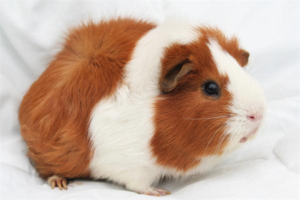
How to Supplement a Pregnant Guinea Pig’s Diet
A pregnant guinea pig eats more—that is normal, as she adjusts her intake to feed the growing babies. But overfeeding risks oversized fetuses and a difficult birth, so balance matters. Aim for about 18% protein from quality sources (fish meal, meat-and-bone meal), plenty of calcium, phosphorus, zinc, and iron, and vitamins A, C, D, E, and K. Vary the feed to keep it fresh and appetizing, and raise the daily amount gradually—roughly 10% more in early pregnancy and 20% more later. Keep feed dry, fresh, and mold-free, and watch her appetite, mood, and droppings daily. Good nutrition and management are what produce healthy, lively pups.

How to Tell Good from Bad Bird Feed?
Choosing the best food for a pet bird matters, but the market is crowded with options of wildly varying quality. Good bird feed delivers complete, balanced nutrition—protein, carbohydrates, fats, vitamins, and minerals—made from high-quality raw materials with no harmful additives. It should also feel fresh, smell clean, stay dry, and come from a reputable, certified manufacturer with positive user reviews. You can even judge feed by your bird's droppings: firm, well-formed, slightly glossy stools mean the diet is being digested well. Finally, keep feed dry and out of direct sunlight, and feed the recommended amount to prevent spoilage and obesity. Selecting quality feed is one of the simplest ways to keep your bird healthy and happy.

Does Abdominal Fluid in Cats Always Mean FIP?
Fluid in a cat's abdomen, or ascites, is a sign—not a diagnosis. It can stem from liver or heart disease, kidney failure, malnutrition, or peritonitis caused by infection, viruses, or injury, and only one of those causes is feline infectious peritonitis (FIP). Because the symptom alone cannot confirm FIP, diagnosis needs bloodwork, imaging such as X-ray or ultrasound, and viral testing. If your cat shows a swollen belly, lethargy, fever, or breathing trouble, see a veterinarian promptly to find the real cause.

What Happens When a Budgie Is Overweight?
An overweight budgerigar suffers in health, mobility, and quality of life, and its social behavior and breeding ability can suffer too. Extra weight weakens flight, strains the joints (raising arthritis risk), and invites high blood pressure, heart disease, and fatty liver or diabetes from a high-calorie diet. Obese birds may also be bullied by flock mates and struggle to breed. Owners should manage weight with a balanced diet, fewer high-fat foods, more fiber, and ample exercise space with perches and toys. Only a healthy budgie shows its best colors and enjoys a full, happy life.

CoQ10 for Dogs: Why It Matters for Your Pet’s Heart
As dogs age, heart function naturally declines, and heart disease is especially common in small breeds. Coenzyme Q10 (CoQ10) is a nutrient that helps power heart-muscle cells and protects them from oxidative damage, which is why it is widely used to support cardiac health in senior pets. Yet the supplement market is uneven—many products overstate or never verify their CoQ10 content. This guide explains what CoQ10 does for your dog's heart, how to choose a supplement with genuinely usable CoQ10, and what the current evidence says, so you can make a confident, informed choice.
Choosing the Best Dog Food for Senior Dogs (Age 7+)
Once a dog turns seven, its metabolism slows, digestion weakens, and organs such as the kidneys, heart, and liver begin to decline — so the right senior dog food matters more than ever. Look for a formula with at least 25% crude protein (30%+ is better), fat held between 8% and 15%, fiber under 9%, starch no higher than 32%, salt under 2%, and a calcium-to-phosphorus ratio of 1:1 to 2:1. Bonus nutrients like glucosamine, fish oil, and probiotics support aging joints, brains, and guts. Prefer wet food for dogs with poor teeth, transition gradually over seven days, and feed smaller meals. For dogs with heart, kidney, or diabetic conditions, a vet-guided prescription diet is safest.