Search Results
277 results for “liver supplement”

Chinchilla Twitching: Causes and How to Respond
Occasional mild twitching or trembling in a chinchilla can be perfectly normal—chinchillas often flick their faces to sense air currents and check for danger. However, repeated or severe twitching may point to a nutritional imbalance, chronic stress, or an underlying illness. Calcium or vitamin B1 deficiency, loud or bright stressful environments, and conditions such as liver disease, diabetes, epilepsy, or poisoning can all trigger muscle spasms. Because twitching can be an early warning sign, owners should observe their pet closely and seek veterinary care if the behavior is frequent or comes with other symptoms. A balanced diet, a calm and comfortable habitat, and stable temperatures are the best preventive measures.

Why Your Dog’s Urine Is Dark
Normal dog urine is pale yellow. Dark urine is a sign that something is mixing into it, usually bile pigments, blood, or other material, and it often points to a real problem. The causes range from liver and kidney disease to infection and certain toxins, though a few are harmless.

Four Winter Diet Points to Keep Cats Healthy
Cold weather means cats burn more energy and need smarter feeding to stay well. Beyond cat food, add freeze-dried meat snacks like chicken, quail, or herring to keep energy up, top up vitamins and trace elements, supplement calcium in moderation, and make sure your cat drinks enough warm water. These four adjustments help fend off the minor illnesses winter tends to bring.
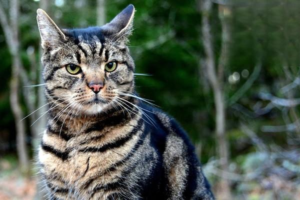
Why Does a Siamese Cat’s Fur Turn Black?
A Siamese cat's coat darkens for a reason that has nothing to do with sunlight: it is driven by temperature. These cats carry a variant of the TYR gene that limits production of the enzyme tyrosinase, which only works properly in cooler areas of the body. As the weather turns cold, the points, face, and ears grow darker, sometimes leaving a near-black 'mask.' The change is largely genetic and cannot be reversed, but keeping the cat warm and limiting iron-rich foods such as liver can slow the process. This article explains the science and what owners can realistically do.

Diet Tips for Caring for a Scottish Fold
The Scottish Fold wins fans with its uniquely curled ears, but those same ears demand gentle handling and the breed has its own feeding needs. Beyond the signature look, these cats are fastidious and benefit from a thoughtful diet. From liver for vitamin A to controlled high-fat food during shedding and plain boiled fish broth, here is what to know about feeding a Scottish Fold well.
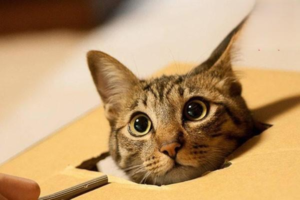
Four Winter Diet Tips to Keep Cats Healthy
Cold weather raises a cat's energy needs and weakens its natural defenses, making winter a season of extra health risks. Supporting your cat's immunity through diet is one of the simplest ways to help it sail through the cold months. From adding more meat to the kibble to topping up vitamins, calcium, and warm water, here are four practical feeding adjustments every owner should know for a healthy, comfortable winter.
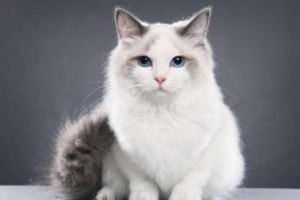
Recipe: Raw Rabbit Bone-Meat Cat Food
Raw rabbit is a lean, novel-protein main meal many cats love and that suits those with sensitivities to common meats. The base is rabbit leg (about 80%) with heart and liver for organs, then the usual supplement set: taurine, calcium, a multivitamin, a little vegetable-and-fruit puree, alfalfa and kelp powder, probiotics, and salmon oil. Dice the meat, stir everything with cooled boiled water, portion one meal and freeze the rest. It takes under ten minutes.
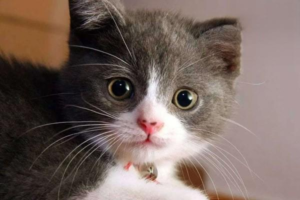
Recipe: Raw Chicken Cat Food (with Bone Meat)
Raw chicken cat food is the most accepted homemade meal — even cats that turn up their nose at beef, lamb, or rabbit will eat chicken, and it is gentle on the wallet. The base is chicken thigh and breast (about 80%), with heart, liver, and gizzard for organs, then a short list of supplements: taurine, calcium, a multivitamin, a little vegetable-and-fruit puree, alfalfa and kelp powder, probiotics, and salmon oil. Dice the meat, stir everything together, portion one meal and freeze the rest. It takes under ten minutes.

Why Isn’t My Ragdoll Cat Gaining Weight?
Ragdoll cats that eat plenty but never seem to gain weight worry many owners, yet the cause is not always disease. Genetics, low activity, or an unbalanced diet may simply mean your cat burns or absorbs fewer calories than expected. Parasites are another common culprit that blocks nutrient absorption. If diet and exercise adjustments bring no improvement, a veterinary check-up can rule out hyperthyroidism, digestive disorders, or liver problems. This article explains the likely causes and the practical steps you can take at home to help your Ragdoll reach a healthy weight.
Recipe: Raw Duck Cat Meal
A raw duck cat meal is a nutritious, low-cost staple that can be a cat's sole source of nutrition, and ducks are as palatable to cats as chicken. Dice duck leg, breast, heart, and liver (keep some skin for lean cats, and small bones for experienced raw feeders), then mix in taurine, calcium, multivitamin, salmon oil, probiotics, and under 5% veg/fruit puree with alfalfa and kelp. Stir well, serve one meal, and freeze the rest in portions.