Search Results
695 results for “liver disease”

What Temperature Means a Cat Has a Fever
A cat's normal temperature is 38.5-39.5°C, so 39°C is fine. Over 39.5°C counts as a fever; 40-40.5°C is low, 40.5-41.5°C moderate, and 41.5-42.5°C high. Exercise, heat, and stress can nudge it up, so watch for other symptoms too.
Hair Loss and Excessive Urination? Symptoms of Hormonal Imbalance in Cats
Feline hormonal (endocrine) imbalance is not one disease but a sign of disorders such as hyperthyroidism, diabetes, Cushing's syndrome, or hypothyroidism. Hyperthyroidism brings ravenous appetite with weight loss, thirst, and overactivity; diabetes causes the 'three polys plus weight loss' and weak hind legs; hypothyroidism shows as lethargy, weight gain, and a dry, thinning coat. See a vet for blood and urine tests if you notice these signs.
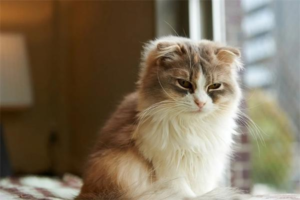
Diet Tips to Support Joint Health in Scottish Fold Cats
Scottish Fold cats carry a genetic cartilage disorder with no cure, so diet focuses on joint support: chondroitin and glucosamine to aid joint fluid, omega-3s to curb inflammation, vitamin D for bones, and balanced food with lean boiled meats. Keep salt low, calcium moderate, and weight controlled.

Why Do Dogs Get Low Blood Sugar (Hypoglycemia)?
Dog hypoglycemia comes from poor diet, overexercise, faulty insulin regulation, heavy lactation, or diseases like gastroenteritis, parvovirus, diabetes, or pancreatitis. Mild cases respond to 5% glucose solution; severe cases (weakness, tremors) need IV glucose and a vet visit to treat the underlying cause.

Can Cat Jaundice Heal on Its Own?
Cat jaundice cannot heal on its own—it signals rising bilirubin from liver dysfunction or blocked bile flow, linked to fatty liver, pancreatitis, toxins, parasites, or stones. It needs a vet to find and treat the root cause; untreated liver damage can be fatal.
A Detailed Cat Weight-Loss Plan
A healthy house cat weighs about 3.5–5.5 kg; over 6 kg (except large breeds like Maine Coon or Ragdoll) means it's overweight and needs to slim down. Switch to a high-protein, low-fat, low-carb food and cut the daily total by 20%, repeating if needed once weight stabilizes. Boost activity with wand, laser, and feather toys to burn fat — but never slash food sharply, since long fasting can harm the gut or trigger fatty liver.

Why Is My Dog’s Belly Swollen?
A swollen belly in dogs has many causes—overeating, gas, gastric dilation and volvulus (GDV), fluid in the abdomen (ascites), or lumps such as lipomas and tumors. Mild cases like a full stomach or gas often settle with rest and probiotics, but some are emergencies. If the swelling comes with vomiting, pain, fast breathing, or a rapid heartbeat, it may be GDV and needs immediate veterinary care. Any persistent or unexplained bloating, especially with weight loss or a palpable mass, should be checked by a vet.

What to Feed a Cat With Anemia
Anemic cats benefit from iron- and protein-rich foods, red meats such as beef, lamb, and salmon, organ meats like chicken, duck, or pork liver, and seafood such as tuna, shrimp, and mackerel, plus vitamin B12 and folic acid to support red-blood-cell production. For severe anemia, vet-prescribed iron supplements or liver-support tonics may be needed.

CoQ10 for Cats: How to Choose and Use It
Cats enter old age after 7, when heart disease affects a large share of the population, and their own CoQ10 production falls below half of youth levels. For breeds prone to hypertrophic cardiomyopathy, veterinary-guided CoQ10 is common supportive care. This guide explains why cats need CoQ10, the market pitfalls to avoid—false potency, conceptual add-ons, and fake credentials—and the three basics of choosing a product, plus feeding rules and cautions. CoQ10 supports care but never replaces prescribed heart medication.
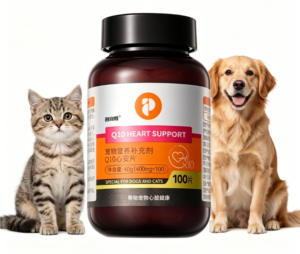
CoQ10 for Dogs and Cats: A Heart-Health Supplement Guide
CoQ10 is a key nutrient for heart-muscle cells and a staple for senior pets and breeds at risk of heart disease. Yet the market is messy—under-dosed, over-claimed products are common. This guide covers who benefits from CoQ10, what to look for on the label, why yeast-fermented source and combined antioxidants (including taurine for cats) matter, and the feeding rules and cautions every owner should know. CoQ10 supports care but never replaces prescribed heart medication.