Search Results
695 results for “liver disease”
My cat suddenly lost energy, then vomited, and keeps vomiting blood.
Sudden lethargy and vomiting blood suggest gastric mucosal bleeding (foreign object, ulcer, acute bleeding); if free-roaming, consider toxin like rat poison causing bleeding, lethargy, convulsions. Get to a vet for infectious and blood tests, possibly endoscopy; give anti-emetic, hemostatic, and fluids meanwhile.
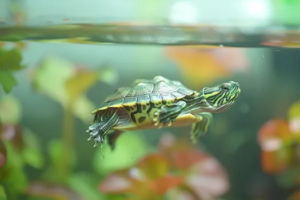
Do Turtles Need Exercise? How to Get a Lazy Turtle Moving
Turtles do need exercise—it aids digestion, appetite, and immunity. A lazy turtle may live in too small a space, lack light, have no reason to roam, or be ill or cold. Boost activity by free-roaming at 20°C+, scattering several feeding spots, giving good light and heat, and interacting daily. This article explains.

Can a Budgerigar Recover from Trichomoniasis on Its Own?
A budgerigar cannot self-heal from trichomoniasis; chicks under 3 months can die within days without treatment. Signs are lethargy, yellow mouth spots, green mucus, and vomiting. Treat with metronidazole plus vitamin C or a bird dewormer for 5–7 days, and separate chicks from the mother. This article covers it.
The vet did an ultrasound on my cat; why is my cat’s belly enlarged?
An enlarged belly can be from gas, constipation, ascites, organ enlargement, tumors, or pregnancy. The X-ray shows stool and gas in the intestines, suggesting digestive issues, bloating, constipation. Combine with other tests. If stable, give probiotics and digestive aids; if poor, follow vet's advice.
What happens if a dog eats too much oxytetracycline?
Oxytetracycline is a broad-spectrum antibiotic commonly used to treat bacterial diseases. If a dog eats too much of it, several problems may arise. First, it may disrupt the dog's intestinal flora, leading to digestive issues such as diarrhea, vomiting, abdominal pain, and loss of appetite. Second, if the dog ingests a large amount, it may cause toxicity, with signs such as dry mouth, fatigue, headache, dizziness, nausea, vomiting, and diarrhea. Finally, long-term or excessive use of oxytetracycline may damage the dog's liver, so the medication should be stopped promptly once the dog's disease symptoms disappear.
My cat started foaming at the mouth and won’t eat today; it has vomited several times
A cat vomiting white foam and not eating has many causes — swallowing a foreign object, indigestion, parasites, infectious disease, poisoning, liver or kidney damage — and needs a vet exam to find the cause. If the cat is otherwise alert, use anti-vomiting medication and probiotics, plus a gastric-protectant like cimetidine. If it's doing poorly, seek urgent care.
What happens if a dog has severe tartar?
Severe tartar in dogs can cause loose teeth and gingivitis; the gums may become inflamed, swollen, and bleed, leading to bad breath and pain. If tartar is not removed, the gums will keep wearing down and getting infected, leading to loose and lost teeth. Also, oral discomfort from gingivitis may make the dog unwilling to eat, affecting nutrition.
My cat has yellow eye discharge and vomiting; I bought a lily a week ago, discarded it after learning it’s toxic—are these lily poisoning symptoms? Vomiting started only yesterday.
With vomiting and heavy eye discharge plus lily exposure, chronic lily poisoning is possible. Lily poisoning causes persistent vomiting, anorexia, lethargy, and severe kidney damage that can be fatal within a week. If vomiting is the only sign and the cat is otherwise normal, treat symptomatically for GI disease and monitor.
My dog is over 20 days postpartum; after a bath today she became weak, can’t stand, has discharge, and is breathing rapidly.
Based on your description, these signs appearing around day 20 postpartum—still during lactation—most likely indicate postpartum fever and eclampsia, a serious metabolic disease of hypocalcemia caused by massive calcium loss after delivery, with overexcited motor nerves causing muscle tetanus.
What happens as a cat gets old?
A cat's lifespan is generally 12 to 20 years, and in old age it typically shows increased sleep, reduced appetite, slowed reactions, stiff joints, and dull coat. Senior cats are prone to eye diseases like cataracts and glaucoma, hearing loss, and chronic illnesses such as heart disease, diabetes, and fatty liver.