Search Results
695 results for “liver disease”

Best Dog Food for a Samoyed
The Samoyed — often called the 'smiling angel' for its bright white coat and gentle, lively temperament — stays healthy and handsome largely through diet. Match the food to the dog's condition: high-protein, low-fat formulas for overweight dogs, coat-supporting nutrients (omega-3s, vitamin D, DHA) for dull fur, and easily digested, protein-rich senior diets after age 12–14. Favor natural, additive-light foods over heavily processed ones to support a longer, healthier life.
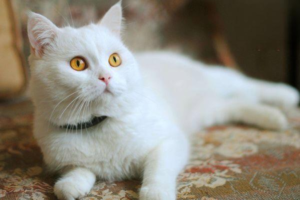
Vitamin B Deficiency and Toxicity in Cats
Cats need B vitamins, but the margin matters: too little brings dry coat, weakness, and spasms, while too much — usually from loading up on liver or human supplements — causes gum disease, stiff neck, poor bone growth, and dull coat. Skip human vitamins and liver-heavy diets; if toxicity appears, cut the source and rebalance with vet-guided fluids and calcium.

Acute Pancreatitis in Cats and Dogs
Acute pancreatitis is self-digestion of the pancreas by its own enzymes, striking dogs far more often than cats and showing as sudden belly pain, shock, and peritonitis. Triggers range from bile-duct blockage and fatty meals to infections and certain drugs; treatment focuses on shutting down pancreatic secretion, controlling infection and pain, and correcting fluids — and the hemorrhagic form carries a guarded prognosis.

Why Dogs Vomit Yellow Fluid and How to Treat It
Vomiting yellow fluid is usually tied to diet or gastrointestinal disease, and the underlying cause is revealed by the dog's body condition, feeding routine, and what the vomit looks like. Once you rule out a gastric foreign body or viral infection, most cases from gastritis or gastroenteritis improve with short-term fasting, antiemetics, and gut support.

What Is Canine Babesiosis?
Babesiosis is a protozoal blood parasite carried by ticks that attacks a dog's red cells and causes anemia; it also spreads through bites, fights, or across the placenta. Diagnosis is by blood smear or PCR, and treatment uses antiprotozoal injections, though relapse and lifelong carriage are common — so tick control is vital.

How to Help an Overweight Cat Lose Weight
An obese cat faces diabetes, heart strain, and arthritis from the extra load. Slim it down with scheduled small meals, a cut in kibble and meaty toppers, more play (a wand toy for 15–30 minutes daily), and a high-fiber weight-management food that satisfies without many calories. If obesity brings concerning symptoms, see a vet.
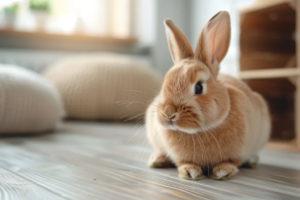
What Are the Advantages of Fermented-Bed Rabbit Farming?
A fermented bedding system mixes and breaks down rabbit waste on the spot, cutting odor, saving feed and water, and suppressing pathogens and parasites. The end product doubles as a high-grade organic fertilizer or roughage, and the dry, no-cleanup setup lowers disease rates. It's an efficient, low-input, eco-friendly husbandry method.
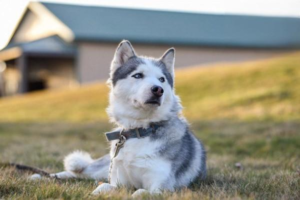
What Happens If a Dog Gets Aspergillus Mold
Today we learn the harm Aspergillus mold does to people and pets.
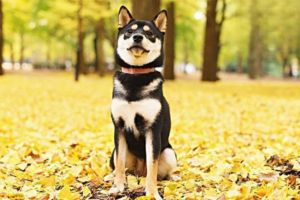
Why Do a Dog’s Eyes Turn Blue?
A dog's eyes turn blue due to infectious hepatitis, and timely treatment is needed. When puppies have hepatitis, a blue membrane forms over the eyes; this disease is called blue eye disease. Canine infectious hepatitis is an acute infectious disease caused by canine adenovirus.

What Are the Symptoms of Diabetes in Dogs
Diabetes is a complex metabolic disorder with many causes, such as a lack of insulin in the dog's body or incomplete insulin function leading to abnormal metabolism of protein, carbohydrate, and fat.