Search Results
695 results for “liver disease”

Exotic Shorthair
The Exotic Shorthair — everyone's "Garfield cat" — pairs the Persian's plush look with a short, easy-care coat. Sweet, calm, and affectionate, it's one of the most laid-back cat breeds to live with.

Canine and Feline Seborrheic Dermatitis: Symptoms, Treatment, and Prevention
Seborrheic dermatitis is a disorder of skin lipid metabolism in dogs and cats, producing dry scales, greasy sebum buildup, or inflamed crusted skin. It may be primary (often hereditary) or secondary to parasites, infection, or endocrine disease such as hypothyroidism.

Malabsorption Syndrome in Dogs and Cats
Malabsorption syndrome covers several diseases in which the small intestine cannot absorb nutrients. Pets lose weight despite a good appetite, pass fatty stools and may become anaemic; treatment targets the underlying cause and a special diet.

Vitamin K Deficiency in Dogs and Cats
Vitamin K deficiency in dogs and cats impairs clotting-factor synthesis, causing prolonged bleeding time, subcutaneous and body-cavity hemorrhage, and anemia. It arises from malabsorption, long-term antibiotics, or certain poisons, and is treated with vitamin K and management of the underlying cause.
Hepatic Encephalopathy in Dogs and Cats
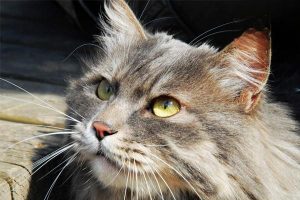
Hepatic encephalopathy is a neurological syndrome in dogs and cats caused by liver dysfunction that allows toxic metabolites such as ammonia to reach the brain. It produces recurring signs ranging from lethargy and ataxia to seizures, circling, and coma, and is often triggered by high-protein meals, gastrointestinal bleeding, or dehydration.

Hydrocephalus in Dogs and Cats: Symptoms, Treatment, and Prevention
Hydrocephalus is accumulation of cerebrospinal fluid within or around the brain, from birth defects or later causes such as vitamin A deficiency, meningitis, or chronic disease. It causes dullness, poor vision, and aimless wandering, and has no specific cure beyond supportive care.

Hydrothorax (Pleural Effusion) in Dogs and Cats: Symptoms, Treatment, and Prevention
Hydrothorax is a non-inflammatory fluid buildup in the chest that compresses the lungs and causes breathing difficulty. It usually signals heart disease or another systemic problem, and is treated by draining the fluid and managing the cause.

Chronic Hepatitis in Dogs and Cats
Chronic hepatitis is a long-term inflammation of the liver, often developing from repeated or unresolved acute injury. It causes persistent digestive upset, weight loss, and sometimes mild jaundice; management protects the liver, improves bile flow, and supports nutrition.

Leptospirosis in Dogs and Cats: Symptoms, Treatment, and Prevention
Leptospirosis is an acute, systemic bacterial infection caused by pathogenic Leptospira. It is a zoonotic disease (transmissible to people) with rats and pigs as major reservoirs. It is characterized by short-term fever, jaundice, hemoglobinuria, abortion in breeding females, and a bleeding tendency.
Why Is My Cat Not Eating or Drinking?
A cat that refuses food and water can have many underlying causes - stress, parasites, oral disease, digestive trouble, or liver problems. The right treatment depends on finding the specific cause.