Search Results
695 results for “liver disease”

Diseases with Symptoms Similar to Feline Liver Failure
Liver failure is an abnormality that occurs when the liver is affected by impaired blood flow, reduced oxygen supply, hepatotoxic drugs or chemicals, excess heat, or infectious agents. Liver failure can occur in dogs and cats of all ages and breeds. It may affect multiple organ systems, including the liver and gallbladder, nervous system, gastrointestinal tract, and blood system. Affected pets may show various symptoms, including anorexia, lethargy, depression, vomiting, diarrhea, seizures, abdominal fluid accumulation, bleeding, and jaundice (yellowing of the skin).

Pet Skin Diseases (Part 1): Parasitic and Fungal Infections
Skin disease is common in dogs and cats and tends to flare up and recur, usually because their skin defenses are weak and their surroundings are full of triggers. The two hardest types to clear are external-parasite infestations (fleas, lice, mites, ticks) and fungal infections (ringworm); both cause intense itching, hair loss, and skin damage and need treatment of both pet and environment. Since they are contagious and slow to resolve, early veterinary care and consistent parasite control are the keys to recovery.

What Skin Diseases Affect Dogs, and What Are the Symptoms?
Dog skin problems fall into four types — fungal, bacterial, allergic, and parasitic — and show as itching, scabs, scaling, papules, redness, and hair loss. Watch for lumps, shedding, over-grooming, itching, and sunburn or irritation, and see a vet for diagnosis.

Understanding Kidney Disease in Cats
Cats are built to conserve water, so chronic kidney disease is nearly universal in older cats and a leading cause of illness. Watch for early signs like increased drinking and urination, keep water and wet food available, and catch problems early with routine blood and urine tests.

Common Hereditary Diseases in Purebred Cats
Selective breeding has given us stunning purebred cats but also concentrated many hereditary diseases—from polycystic kidney disease and hypertrophic cardiomyopathy to the cartilage disorder behind folded ears. Knowing which conditions each breed is prone to helps owners catch problems early.

Causes and Symptoms of Common Feline Urinary Tract Diseases
The most common feline urinary signs are abnormal urination and discolored urine — straining, incontinence, or brown urine — and they tie to low water intake, stress, and obesity. Watch for frequent litter-box trips, blood in urine, and pain, and see a vet at once to avoid kidney failure.

Feline Lower Urinary Tract Disease (FLUTD): Causes, Signs and Treatment
Feline lower urinary tract syndrome (FLUTD) is divided into obstructive and non-obstructive types. Obstructive means the urethra is fully or partially blocked. Within 2–3 days of complete blockage, urine retained in the bladder flows backward to the kidneys; this back-pressure suppresses glomerular filtration, causing waste and toxins to accumulate in the blood and leading to uremia. If not treated within 3–6 days, the cat can die. The non-obstructive type is milder; with prompt catheterization and proper daily care, it largely resolves on its own within a week.
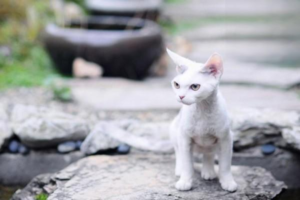
Don’t Starve a Picky Cat for Days — It Can Cause Fatty Liver
As is well known, a cat's taste buds are sensitive, so they are picky eaters. When owners suddenly switch to new food or buy new treats on a whim, the cat may simply refuse them.

Common Feline Urinary Tract Diseases
Urinary diseases affect a cat's urinary system — urinary tract infection, cystitis, stones, renal failure and more. Here are the symptoms and causes.

Cat Liver Failure: Causes and Treatment
Liver failure refers to the loss of more than 75% of liver function, followed by severe and widespread hepatic necrosis. This syndrome is more common in dogs than in cats, and it shows no preference for age, breed, or sex.