Search Results
48 results for “litter box types”

Choosing the Right Cat Litter
Cat litters split into non-biodegradable (inorganic) and biodegradable (organic). Inorganic: fuller's earth (clay, non-clumping, but flushable), bentonite (clumps well but dusty and heavy, fragrance-added), silica/crystal (absorbent, low clumping; some have cobalt chloride or pH indicators—avoid long-term cobalt use), ceramic and zeolite (reusable, need a double box). Organic: plant litters (pine, paper) and grain litters (tofu, corn, wheat)—light, flushable, clumping, but watch mold/mycotoxin risk and don't believe 'edible' claims. Pick by your cat's needs and a flushable, low-dust preference.
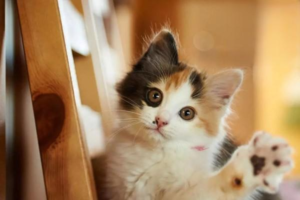
Tips for Choosing the Right Cat Litter
Cat litter is essential from the day a kitten learns to use the box until the end of its life. The market offers bentonite, plant-based (tofu), crystal (silica), and recycled-paper litters, with bentonite, plant, and crystal being the most common. Beyond type, what matters for your cat's health is avoiding chemical binders and artificial fragrances and using the litter correctly — a 5 to 7 cm depth, daily scooping, and a full change every week or two.

How to Choose the Right Cat Litter
The wrong litter can contribute to urinary problems in cats, so choosing well matters. This guide compares the main types of cat litter—plant-based (tofu, corn), paper, bentonite clay, crystal (silica), and pine or wheat—and lays out the pros and cons of each. Understanding clumping ability, dust, flushability, odor control, and cost helps you pick a litter your cat will actually use and that supports its urinary and respiratory health.
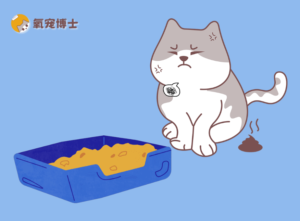
Why Won’t My Cat Use the Litter Box?
A cat that suddenly stops using the litter box is sending a signal, not being spiteful. The cause is usually the box itself—dirty, cramped, noisy, the wrong litter, or too few boxes in a multi-cat home—or a health issue like constipation, diarrhea, or joint pain. Stress from changes at home is the third big driver. Fix the box and environment first; see a vet if pain or abnormal stool is involved.
Litter Box Care: Setup and Maintenance
The effort you put into choosing, placing, and caring for the litter box is vital to your cat's health and happiness. Wrong elimination (peeing outside the box) hurts both cat and owner.
How to Train Your Cat to Use the Litter Box
Cats may seem untrainable, but they respond to cues when there is a reward in it for them. Use food rewards paired with a sound to teach any behavior—including proper litter box use. Never punish inappropriate elimination; it raises stress and makes the problem worse.

How to Stop a Cat From Urinating or Defecating Outside the Box
Sudden accidents usually signal stress from a move or a new cat, litter-box dislike, or a need for territory. Match the fix to the cause, a calm adjustment, reinforcing the senior cat's status, changing litter or box, and avoid punishment.

Before and After Bringing a Kitten Home
Before a kitten arrives, set up one clean room with litter box, bed, food, and carrier. Keep its starter food, prepare a semi-enclosed bed, and gather grooming basics.
What to Do When Your Pet Cries at Night
Nighttime vocalizing usually traces back to illness, a sudden change in routine or surroundings, or mating behavior, so finding the cause comes first. Calming measures include a high-calorie snack before bed, play to burn off energy, steady companionship, keeping familiar items in place, topping up trace elements, and a vet check for older pets.

What Cat Supplies Do You Need to Prepare?
Choose sensibly from the list below according to your budget. Add items gradually as you can afford them, or go for better products if money is no object.