Search Results
45 results for “lip lesion”

Canine and Feline Atopic (Allergic) Dermatitis: Symptoms, Treatment, and Prevention
Atopic dermatitis, also called allergic dermatitis, is an IgE-mediated skin hypersensitivity in dogs and cats, marked by intense itching, redness, and hair loss that often begins around the eyes, toes, and groin. Mild cases may resolve once the allergen is removed, while persistent cases need veterinary-directed anti-inflammatory therapy.

Interdigital Cysts in Dogs and Cats: Symptoms, Treatment, and Prevention
Interdigital cysts (interdigital furunculosis) are a chronic inflammatory skin condition of the paws, not true cysts, starting as small papules between the toes that enlarge, suppurate, and form nodules causing pain, lameness, and licking. Antibacterial care controls it; stubborn cases need surgical removal of the web.

Facial Nerve Paralysis in Dogs and Cats
Facial nerve paralysis is a failure of conduction in the facial nerve that causes a drooping ear, lip, and tongue, difficulty eating, and a risk of keratitis. It may follow ear disease, trauma, infection, or toxicity, and treatment removes the cause while protecting the eye.

Canine Viral Papillomas (Warts): Symptoms and Treatment
Canine viral papillomatosis is a contagious wart-like growth caused by the canine oral papillomavirus, appearing in the mouth or on the skin. Most cases resolve on their own within weeks to months, but large oral tumors can interfere with eating and may need surgical removal.
Common Feline Oral Diseases and Care
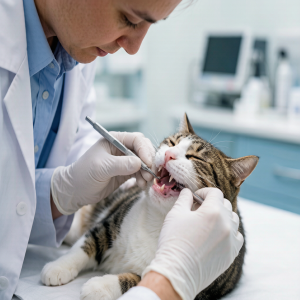
The mouth is vital for cats - for food, water, and defense. Oral disease makes survival hard.
What to Do for Acute Moist Dermatitis (Hot Spots) in Dogs
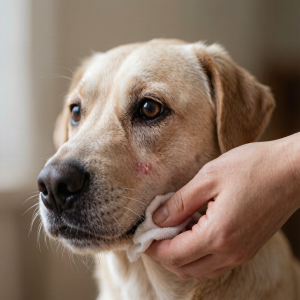
Hot spots (also called acute moist dermatitis or pyotraumatic dermatitis) are localized, moist, red lesions of skin caused mainly by self-trauma. Acute moist dermatitis is a common skin disease in dogs. It often appears in long-haired and thick-coated breeds and is more common in summer.

Is Ringworm in Cats Caught by Touch
Ringworm is a fungal skin infection that makes a cat scratch one spot until the fur falls out and the skin reddens. It spreads by contact, both across the cat's own body and to other cats and people. Isolate the cat and treat early to stop it spreading.
What to Do When Your Dog Has Ringworm
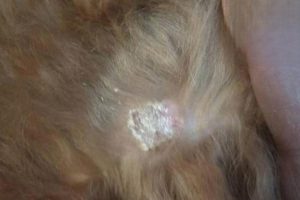
Ringworm is a fungal skin infection that spreads through contact and dirty surroundings, and weak or underfed dogs are most at risk. Clean the environment, boost nutrition, and apply antifungal treatment early to stop it spreading.

What to Use for a Cat’s Skin Infection
Most cat skin problems are fungal, thriving in contaminated environments and among cats with weaker immunity. Treatment means disinfecting the home, stopping the cat from licking sores, and applying antifungal ointment and spray to clipped, cleaned patches. A medicated shampoo supports bathing during recovery.
What Ointment to Use for Cat Skin Disease
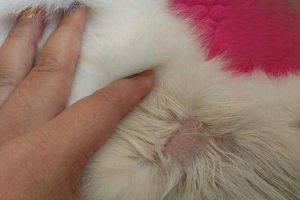
Cat skin disease comes in four types — bacterial, fungal, allergic, parasitic — with fungal and parasitic the most common. Clip the fur, apply an antifungal spray and ointment for 4–6 weeks, add vitamin B, and bathe only with a gentle shampoo.