Search Results
40 results for “lilies”
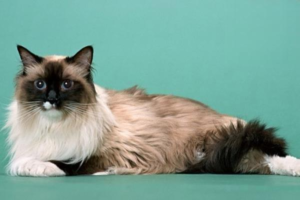
Houseplants That Are Toxic to Cats (Part 2)
Many common houseplants poison cats — avoid Araceae (pothos, peace lily, dieffenbachia), castor bean, lilies, yew, azalea, and more; signs range from mouth irritation to kidney failure and sudden death. When in doubt, keep plants away from cats.
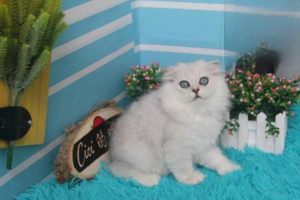
Houseplants Toxic to Cats (Part 1)
Many common houseplants are toxic to cats — lilies and oleander can be fatal, while ivy, chrysanthemums, and leeks mostly cause vomiting and diarrhea. This is the first part of a list of the usual suspects and the signs to watch for.

Why Cats Foam at the Mouth and How to Treat It
Foaming at the mouth in cats often comes from excess stomach acid, unsuitable or excessive food, poisoning (lilies, acetaminophen), or stress. Treatment depends on the cause — fasting and antibiotics for gastritis, smaller fiber-rich meals for food issues, immediate vet care for poisoning, and a gentle transition for stress.

Why Cats Are Prone to Kidney Disease
Cats evolved in the desert with a weak thirst drive, so they get most of their water from food — dry diets leave them prone to dehydration and urinary crystals. Acute kidney injury usually comes from poisoning or blockages (lilies, chocolate, xylitol, swallowed objects), while chronic kidney disease shows up as extra drinking and weight loss that owners often mistake for improvement. There's no cure for CKD, but early diagnosis keeps it manageable.

Why Cats Eat Strange Things (Pica)
Feline pica — eating non-food items — can stem from nutrient deficits, illness, poor management, or early weaning. It ranges from licking plastic and plants to swallowing fabric or suckling other animals, and some items (lilies, daffodils) are toxic, so a vet check and a calm home are the right first steps.

Understanding Kidney Disease in Cats
Cats are built to conserve water, so chronic kidney disease is nearly universal in older cats and a leading cause of illness. Watch for early signs like increased drinking and urination, keep water and wet food available, and catch problems early with routine blood and urine tests.
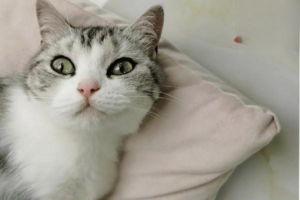
Is Cat Diarrhea a Sign of Illness? How to Treat It
Cat diarrhea isn't always serious, but it can signal gut infection, plant poisoning (lilies are deadly), parasites, or even panleukopenia. Stabilize the gut, keep food consistent, maintain parasite control, and treat any suspected poisoning as an emergency.
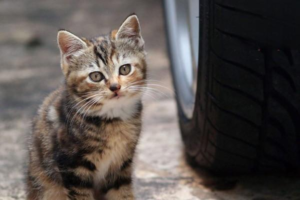
Symptoms and Causes of Cat Poisoning
Curiosity really can kill the cat. Cats always like to explore their surroundings, using their natural instincts to explore and hone hunting skills. Unfortunately, a cat's curiosity can easily get it into trouble, and a slight misstep may lead to poisoning.

A New Owner’s Guide to Preparing for a Cat
Bringing a kitten home is joyful but troublesome early, so learn and prepare before serving your cat. Cats are sensitive; the author suggests a kitten over two months for beginners - one eating kibble and eliminating alone. Found/adopted newborns need experienced owners or pro advice.

Household Items That Are Dangerous to Dogs (Part 1)
Electrical cords, many common houseplants, fragile glassware, forbidden human foods, and cleaning chemicals are silent killers lurking in every home. Learn which ones to keep away from your dog.