Search Results
163 results for “light sleep”
Why Is My Cat Lethargic After Deworming? Normal vs. Emergency
Mild drowsiness and reduced appetite after deworming are usually normal — the low-toxicity drug is metabolizing and the cat may be stressed. These fade within 24–48 hours. But if lethargy lasts over 2 days, or comes with vomiting, diarrhea, breathing trouble, or tremors, it may be an allergy, wrong dose, or hidden illness and needs a vet.

Is Your Dog Cold? 3 Ways to Tell — Plus Winter Warmth Tips
Dogs are warm-blooded and feel the cold — small, short-haired, hairless, very young, senior, sick, and tropical-origin breeds are the most sensitive. Tell by curling up, shivering, seeking heat, cold ears/paws/belly, sluggishness, and raised fur, then warm them with clothes, a cozy bed, booties, dryness, extra calories, and midday walks.
Are Rabbits Afraid of the Dark?
No—rabbits are naturally crepuscular/nocturnal and active at dusk, so they don't fear dark; skip the night light to avoid eye strain and sleep loss. They're timid, though, and fear sudden loud noises (shouts, fireworks, thunder, doorbells) far more, which can cause stress.
Why does a dog bark at night?
A strong guarding instinct (light, smell, sound), insecurity (new dog—reassure and use a quiet room), hunger, needing to potty, or excess energy (meet needs before sleep), or discomfort/illness (abnormal expression, low appetite—see a vet).

Think Twice Before Getting a Chow Chow — Unless You Can Live With These Traits
Chow Chows are an ancient, lion-coated breed that is clean, quiet, and loyal, but they are far from easy to keep. Their stubborn independence makes training and walks a challenge, and as a short-nosed breed they overheat easily, drool, snore, and shed heavily while needing costly, careful grooming. They suit calm, experienced owners with patience, space, and budget — not first-time dog parents seduced by the cute 'grumpy' face.
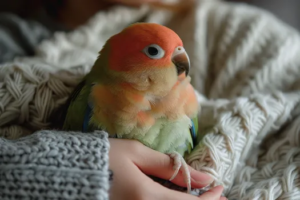
Why Has My Cockatiel Suddenly Turned Aggressive?
A normally sweet cockatiel can turn suddenly aggressive because of illness, a change in surroundings, loneliness, lack of exercise, the breeding season, or simply a moody temperament. Observe closely, keep the environment stable, and see a vet if other symptoms appear.
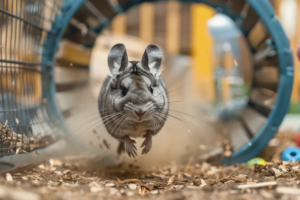
Where Should You Place a Hamster Cage?
A hamster cage belongs in a quiet, dim, well-ventilated spot with stable temperature and humidity, away from direct sunlight and loud appliances. Because hamsters have no sweat glands and are very noise-sensitive, the right location is essential for their health.
Is a Dry Cat Nose a Sign of Illness? Don’t Panic — Here’s What It Means
A dry nose doesn't automatically mean sickness — a normal cat nose is cool and moist, but it dries out after sleep, exercise, in dry/ hot air, with age, or in flat-faced breeds (Exotic Shorthair, Persian) that can't lick it. Worry only if the nose stays dry with cracks or scabs (skin disease, autoimmune issues, B-vitamin lack), or if it's hot with a fever over 39.5°C plus lethargy. Keep the room at 40–60% humidity and watch appetite and temperature.
What Is a Normal Heart Rate for a Cat?
A healthy adult cat's heart rate is 120–160 beats per minute (kittens up to ~200; seniors and large breeds 140–160). Measure it via the inner foreleg pulse or a stethoscope over the left chest when the cat is calm. Persistently fast, irregular beats with coughing or low exercise tolerance can mean heart disease (e.g., hypertrophic cardiomyopathy); seek a vet if the resting rate stays above 180 or below 100.
How to Check If Your New Puppy Is Healthy
Check a new puppy in five steps: mental state (curious, not lethargic), appetite (eating within a day or two), temperature and breathing (38–39°C; over 39.5 is fever, under 37.5 hints at low sugar or shock; 20–30 breaths/min at rest), and stool/urine (formed brown, no blood or diarrhea). Also scan coat, gums, ears, eyes, and gait.