Search Results
25 results for “lifting dogs”
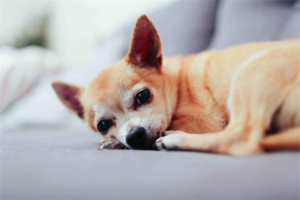
What Is the Correct Way to Hold a Dog?
Holding a dog the wrong way causes discomfort and can injure it; the right way keeps it safe and supported. Avoid scruff-lifting, one-arm carries, 'princess' holds, and dangling it by the armpits. Support the chest and rear (small dogs) or chest and hips from underneath (large dogs), keep all four feet supported, and respect the dog's comfort.

Heat Alert: What to Do When Hot Pavement Burns Your Dog’s Paws
When it's over 30 C, asphalt can exceed 60 C, and dark surfaces can hit 70 C by early afternoon, so paw-pad burns are a top summer injury. A dog's pads sense heat with a delay and may keep walking despite pain, so the owner must judge safety: press the ground with your hand for 7 seconds, if it hurts you it burns them. Signs include limping, red swollen pads, blisters, constant licking, and yelping. First aid: move off the heat, rinse the pad with cool running water 15 minutes, flush with saline, dab with povidone-iodine (never alcohol), apply a pet burn ointment, loosely bandage, and use a cone. Severe cases with open wounds, bleeding, or black scabs need a vet. Walk before 7 a.m. or after 8 p.m. on grass.

Solving Dog Bad Breath
Dogs cannot brush or floss themselves, so food lingers, ferments and smells; over time bacteria build into plaque and tartar, the real source of odor. Fight it: wipe teeth with a soft towel or gauze and use a cotton swab with garlic juice for residue between teeth; use a dog toothbrush and pet paste (not human paste, which upsets the gut) brushing every surface, patiently easing a resistant dog in. Feed vitamin- and fiber-rich veggies and crisp dog biscuits or chews that scrub the teeth - Pekingese fed only soft meat miss needed wear. Have the vet check and scale when needed; bad teeth bring strong odor and hurt appetite and nutrition.
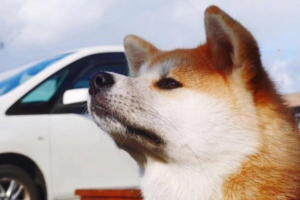
Your Dog’s Urinary Tract Troubles
Lifting a leg to mark is normal, but uncontrolled dribbling or frequent tiny urinations may mean urinary stones or infection. Watch for pain, abnormal or discolored urine, incontinence, and odor. Care includes vet urine tests, more water, more walks, diet changes for stones, and never self-medicating.

How to Handle a Dog That Barks, Guards Food, or Bites
Food guarding, excessive barking, and biting are natural dog instincts inherited from gray wolves, but harmonious living is possible with the right methods.
- « Previous
- 1
- 2
- 3