Search Results
392 results for “leukopenia”
How Contagious Is Feline Panleukopenia?
Feline panleukopenia (cat distemper) is a highly contagious parvovirus, with infection rates up to 70% in cats under a year and mortality up to 80–90% in young kittens. Vaccination and a clean, disinfected environment are the best defenses.

Does Feline Panleukopenia Mutate?
Talk of feline panleukopenia (cat plague) mutating—riding on COVID variant fears—has no scientific basis. The real concern is how dangerous it is: highly contagious across cats and other felids, striking all ages (kittens under one year worst, with 70% infection and 50–60% death rates), and the parvovirus survives over a year in the kidneys. Vaccinate and act fast on vomiting, diarrhea, or blood in stool.

Telling a Cat Cold Apart from Feline Panleukopenia (Distemper)
A simple cat cold brings sneezing, runny nose, and a mild fever that often resolves in a few days. Feline panleukopenia (distemper) is far more dangerous: a high fever of 40–41°C, repeated vomiting of yellow bile, and bloody, foul-smelling diarrhea. Any sudden high fever should be treated as an emergency and checked by a vet immediately.
Early Symptoms of Feline Panleukopenia (Cat Distemper)
Many new owners know cat distemper is scary but not its specifics or treatment. Here's an introduction.
Can Feline Panleukopenia Heal on Its Own?
A cat with panleukopenia generally will not recover on its own; the chance is tiny. Such a cat usually needs medication plus human care to have a chance, and without intervention the odds of self-recovery are slim.
Why Cats Get Feline Panleukopenia
Feline panleukopenia, also called feline distemper, feline infectious enteritis, or feline parvovirus infection, is an acute, highly contagious disease of cats caused by the feline panleukopenia virus. It shows as sudden high fever, stubborn vomiting, diarrhea, dehydration, and severe leukopenia, and is one of the most important feline infectious diseases.
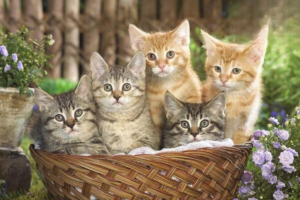
Cat Distemper (Feline Panleukopenia): Symptoms and Care
Feline panleukopenia is a deadly, highly contagious virus causing vomiting, diarrhea, and fever. No cure exists — treatment supports the immune system; vaccination is the best defense.

Symptoms and At-Home Medication Treatment for Canine Distemper and Feline Panleukopenia
Distemper disease is a highly contagious viral disease with a high fatality rate, usually showing symptoms such as high fever, vomiting, diarrhea, loss of appetite, lethargy, and increased eye and nasal discharge. Common pets such as dogs and cats may be infected with the distemper virus, and the most effective way to prevent viral infection is vaccination. Today we explain knowledge about distemper disease around canine distemper and feline panleukopenia.

Cat Gastroenteritis vs. Feline Panleukopenia (Cat Plague)
Cat gastroenteritis and feline panleukopenia share symptoms like diarrhea and vomiting, so they're hard to tell apart — but their causes differ sharply. Panleukopenia is viral, fast-moving, contagious, and often fatal, while gastroenteritis is frequently diet-related and has a high cure rate. The clearest clue is body temperature.

How to Disinfect a Room After Feline Panleukopenia (Cat Distemper)
The panleukopenia virus is very resilient, so use effective disinfectants such as 84 disinfectant, hypochlorous acid, bleach, hydrogen peroxide, or alcohol. Clear trash and debris before disinfecting. Items the cat touched—bed, bowls, toys—need thorough disinfection; discard those that cannot be cleaned. Wipe floors, walls, and furniture, paying attention to under-bed, sofa, and windowsill areas. Keep the room ventilated during disinfection.