Search Results
173 results for “leash”
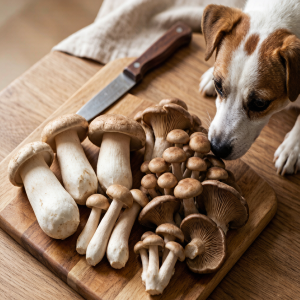
Can Dogs Eat Mushrooms?
This is a topic that demands attention: ordinary store-bought mushrooms are fine for your dog, but wild mushrooms carry a risk of toxicity to both people and dogs. Be especially careful not to let your dog eat wild mushrooms. This article covers safe preparation and the dangers of wild mushrooms.

What to Do When Your Dog Is Limping
Lameness — reduced weight-bearing or movement in a limb — can range from mild to severe, affect one or more legs, and come and go. Causes span trauma to chronic arthritis. Here is how the vet evaluates and treats it.

Common Respiratory Tract Diseases in Cats
Coughing, sneezing, or difficulty breathing are the classic signs of a respiratory problem. This overview covers the nose, throat, and trachea — and the conditions that affect each, including some that also occur in dogs.

What to Do If Your Dog Is Choking
Choking is a common emergency, but its signs are often mistaken for coughing or vomiting. Knowing the causes and symptoms helps you give the right first aid and get your pet to the vet fast.

Canine Obesity: Causes and How to Help Your Dog Lose Weight
Obesity — excess body fat — affects 25–40% of dogs and is the most common nutrition-related condition in pets. The main driver is simple: more calories in than out. A vet-guided plan with a therapeutic diet and measured portions turns it around.

What to Do When Your Dog Eats Things on Walks
Dogs often grab unknown objects on walks and can swallow them before you react, sometimes causing dangerous blockages. A ten-month-old Pomeranian needed surgery after swallowing chicken-neck bones, but trading a tastier treat or keeping the leash short prevents most incidents.

Why Won’t Your Dog Eat?
Dogs love to eat — so when one loses interest in food, something is usually off. The cause can be weather, spoiled food, emotions, parasites, or illness, and the fix follows from finding which it is.

What to Do When Your Dog Won’t Eat, Drink, or Has No Energy
A dog that won't eat is a common but serious signal — anorexia often travels with vomiting, diarrhea, or lethargy and can mean something urgent. Know your emergency contact, watch closely, and don't guess with medication.

How to Help Your Cat Lose Weight
Obesity crosses species — and it harms a cat's heart, lungs, joints, and lifespan. The plan is simple: 'eat less, move more,' guided by a calorie formula and a safe, slow pace of about 1% of body weight lost per week.

Signs Your Cat Is Happy
Cats can't tell us in words, but a happy cat shows it clearly — through voice, body language, curiosity, play, sleep, grooming, and appetite. Reading these cues also tells you how to cheer up a cat that isn't.