Search Results
22 results for “laying cycle”
What is the Ragdoll cat’s temperament like?
The Ragdoll is gentle and clingy, very friendly with high tolerance, and great with kids. It is quiet and rarely meows, and loves interaction, needing about 20 minutes of play daily.
Will a Dog Lose Its Appetite in Heat? What’s Normal and What’s Not
Reduced appetite in heat is common but not universal — hormone swings and a focus on courting (especially males near a female) drive it. Usually harmless if intake stays within 30% of normal and the dog is bright. See a vet if it refuses food 24h+, is lethargic, or shows vomiting/diarrhea/fever, or appetite doesn't return after heat.
How to Soothe a Cat in Heat
Gently patting the rear and extra playtime can ease a cat's heat signs. Avoid hormone powders, which harm the uterus. Spaying after the cycle ends prevents future heat permanently.

How to Stop Your Cat from Peeing on the Bed
Finding a yellow wet spot on the bed is every cat owner's nightmare. Before anything else, rule out disease: feline lower urinary tract disease (FLUTD) makes urination painful, so cats link the box with discomfort and seek softer spots like the bed. If peeing comes with straining, blood, or constant licking, see a vet. Non-medical causes are a disliked litter box (bad location, poor hygiene, wrong litter, too few boxes in multi-cat homes) and stress or anxiety. Fixes: upgrade the box, scoop twice daily, follow the n+1 rule, ease anxiety with play and pheromone spray, and remove the urine scent with an enzymatic cleaner plus detergent. Most cats return to normal in 2-3 weeks.

Can Dogs Get Annoyed With Their Owners?
Dogs can grow weary of their owners, but it is less 'annoyance' and more that the owner's interaction style has become a source of stress. Endless hugging, kissing, or disturbing a dog's rest can raise its cortisol level by 27%–42%, leading to refusal to interact, ignored commands, sudden warmth toward strangers, or even furniture-chewing as a silent protest. The remedy is healthy boundaries: learn the dog's 'emotional threshold' signals—yawns, nose licks, a turned back, avoided eye contact—then stop and give it space, keep a predictable routine, and spend quality time outdoors together.
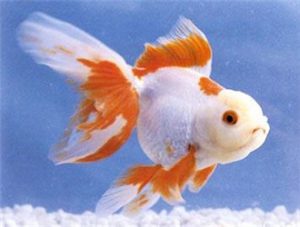
White Oranda with Five Red Fins
The White Oranda with Five Red Fins is a goldfish variety whose body is all silvery-white while each fin is bright red, making it very distinctive and gradually gaining acceptance among goldfish fans.

Sonoran mud turtle
The Sonoran mud turtle is an uncommon, nocturnal musk turtle from the southwestern United States and northern Mexico, notable as the only subspecies in its group with night-active habits. A medium-sized aquatic turtle, it adapts well to captive care once settled.

Dyscophus antongili
The Antongil Bay Tomato Frog (Dyscophus antongili) is native to the east coast of Madagascar and feeds on insects. Restricted to a narrow range and threatened by habitat loss and poaching for the pet trade, it is listed under CITES Appendix I. Wild individuals come in red (females) or yellow (males), so choose a female if you want a red 'tomato'.

Berger’s Cape Tortoise
Berger's Cape Tortoise is a small tortoise native to the coastal regions of Namibia and western South Africa, where it shelters among rock crevices and feeds on the flowers and fruits of plants such as cucumbers, gourds, grapes, and figs, reproducing by laying eggs.

Stripe-necked Leaf Turtle
The Stripe-necked Leaf Turtle (Cyclemys tcheponensis) has a broad distribution and healthy wild populations, and even wild-caught individuals adapt well to human care. A semi-aquatic species, it favors shallow water adjoining land; adults prefer fruit while juveniles lean toward meat.
- « Previous
- 1
- 2
- 3
- Next »