Search Results
28 results for “large breed stairs”

Dog at 7 Is Like a Human at 50: Early Signs of Senior Dog Diseases
At 7, every dog, large or small, has entered its senior years and organs start declining faster. Studies show kidney filtration drops 12-18% and joint cartilage wears three times quicker after 7. Many early signs get mistaken for "normal aging" and missed. Watch for osteoarthritis (stiff rising, hesitant stairs, liking soft beds), dental disease (red bleeding gums, loose teeth, bad breath, favoring soft food), chronic kidney disease (drinking and urinating more, later ammonia breath and weight loss), and cognitive dysfunction (getting lost at home, night waking, forgetting house-training). These diseases can't be cured, but early action slows them and extends life.
Don’t Ignore Joint Pain in Your Cat or Dog
Joint pain is not 'just old age.' From limping and hesitant jumps to morning stiffness and a short temper when touched, pets signal discomfort in quiet ways. Catching it early protects mobility and comfort. Learn the warning signs, why joints degrade, and the practical steps—weight, exercise, and veterinary care—that keep your companion moving.
Are Corgis Prone to Patellar Luxation?
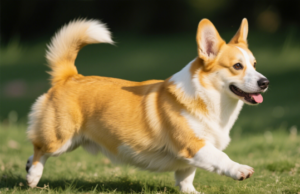
Corgis are indeed a high-risk breed for patellar luxation. Data from the Orthopedic Foundation for Animals (OFA) puts corgis in the top three among small breeds, with about 20%–30% developing some degree of the condition. The cause is twofold: a genetic mutation that leaves the trochlear groove too shallow to hold the kneecap, and a short-leg bone structure that angles the femur and tibia inward by 15°–20° more than usual, pushing the patella out of place. The problem is graded I–IV, from occasional skip-hopping to permanent dislocation. Mild cases are managed with joint supplements and limited exercise, while grades III–IV usually need surgery. Keeping the dog at a healthy weight and avoiding stairs and jumping are the best prevention.
Everyday Habits That Seriously Harm Your Dog’s Joints
Joint disease in dogs is on the rise, and beyond obesity many overlooked daily habits do real damage. Slippery floors force dogs to grip hard and risk falls; bad exercise — long runs, sharp stops, jumping from heights — wears joints down; frequent stairs overload the knees, especially in long-backed breeds like Corgis; standing on hind legs for attention strains the spine; and overfeeding accelerates cartilage loss, particularly in large breeds with hip-dysplasia risk. Cold, damp floors stiffen joints and worsen pain. Watch for early signs — stiffness after rest, reluctance to jump, hind-leg dragging, pain when touched — and support joints with glucosamine and chondroitin.

Common Bone and Joint Diseases in Dogs
Poor care often deforms a dog's legs. Know the risks: hip and elbow dysplasia in retrievers and shepherds, osteochondrosis in large fast growers, femoral head issues in small breeds, and degenerative joint disease eased by weight control, gentle exercise, and glucosamine. Home setup matters too, slippery floors and stairs cause lasting damage.

Dog CoQ10 Shopping: Four Checks Before You Buy
CoQ10 supports heart-muscle energy, acts as an antioxidant, and helps with stamina, so it is on many senior and small-breed dog owners' radar. But the market is crowded with weak, vaguely labeled products. Before you buy, check four things: real labeled potency, a combined formula, good absorption, and easy, safe feeding. Here is how to read a label and pick a supplement that actually delivers.

Cervical Spondylomyelopathy (Wobbler Syndrome) in Dogs and Cats
Cervical spondylomyelopathy, also called Wobbler syndrome, is a progressive compression of the cervical spinal cord that causes weakening and incoordination of all four limbs. It is most often seen in young Great Danes and middle-aged to older Dobermans, and both conservative and surgical care may be needed.

Intervertebral Disc Disease (IVDD) in Pets: Symptoms and Severity
Intervertebral disc disease (IVDD) is a leading cause of back pain and paralysis in dogs — especially long-backed breeds like Dachshunds. Learn what causes it, how to spot the signs, and the five grades of severity vets use to assess the condition.
- « Previous
- 1
- 2
- 3