Search Results
11 results for “lactating doe rabbit nutrition”
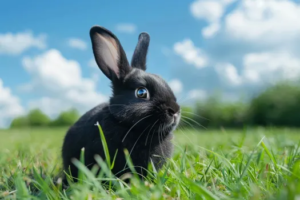
Nutritional Needs of a Lactating Doe Rabbit
Insufficient nutrition in a lactating doe causes her to waste away and seriously affects kit growth and the next pregnancy. Providing adequate nutrition is the priority. This article explains a lactating doe's nutritional needs.

Understanding Normal Rabbit Behaviors
Knowing a rabbit's normal behaviors helps breeders spot problems early and respond in time. Key patterns include feeding and drinking, nursing, cecotrophe (soft stool) eating, and territorial marking. Recognizing what is typical versus abnormal is essential to rabbit health and productive husbandry.
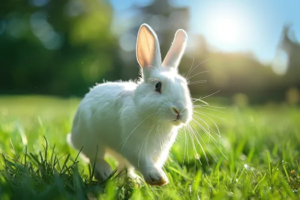
How to Manage a Breeding Buck Rabbit
A breeding buck must be purebred, healthy, and produce high-quality semen, which requires complete nutrition, proper body condition (about 70 to 80 percent fill), and rational use, roughly a 1:8 to 10 buck-to-doe ratio with limited daily matings. House bucks singly, mate in the buck's cage, and check reproductive health before each pairing.

Measures to Boost Rabbit Litter Yield in Autumn
Autumn is the peak breeding season for rabbits, but it is also their molt, so extra nutrition is essential to keep breeding stock in condition. Feed bucks and does differently, choose strong genetics, and manage mating and pregnancy carefully to raise litter size.
Feeding a Nursing Doe Rabbit
A doe nurses for about 35 to 40 days. Good milk needs the right feed and steady water. Here is how to manage a lactating doe's diet.

The Dangers of Stress in Rabbits
Stress in rabbits, triggered by fright, sudden noise, environment changes, or poor husbandry, causes anything from reduced appetite to fatal collapse. Pregnant, lactating, and young rabbits are especially vulnerable, so quiet housing, stable feeding, and correct vaccination are key preventives.

What Is a Non-Pregnant Doe Rabbit? Key Management Points
A non-pregnant (resting) doe is one from weaning her litter to the next successful mating. The rest period varies with the breeding system. A shorter rest improves farm profitability. This article explains how to manage a resting doe.
Is Female Rabbit Infertility Caused by Reproductive Diseases?
Many factors cause female rabbit infertility, and reproductive disease is only one of them; poor feeding management can also be to blame. This article walks through the main causes of rabbit infertility.

New Zealand Rabbit
The New Zealand Rabbit is a meat rabbit breed originally from the United States, now promoted worldwide. It is numerous, economically profitable, and highly adaptable to the environment. It is kept in large numbers in China's rural areas, with high meat yield and a large body.

Rex Rabbit
The Rex Rabbit, scientifically the Rex rabbit, is also called the Rex because its appearance and fur resemble a river otter. A fur rabbit breed famous in China and worldwide, it is a classic economic rabbit whether for production breeding or breed improvement.