Search Results
6 results for “knocking things over”

Why Do Cats Knock Things Off Tables?
Many cat owners suffer this 'mischief' — anything left on a table gets swept to the floor. This article explores why cats love knocking objects off tables and what it means.

Decoding Cat Behavior
A cat's 'disgusted' face is the Flehmen response sniffing pheromones; purring eases pain and heals bone; a love-bite means 'stop'; cats know their name but often ignore it; and knocking things over is attention-seeking or hunting practice. Reading these cuts the confusion.
What to Do When a Neutered Male Cat Eliminates Outside the Litter Box
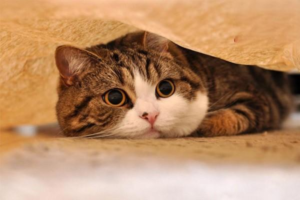
It is common for a male cat to eliminate outside the litter box after neutering, but if the behavior persists you should address it. The main causes are leftover hormones, established habits, surgical stress, or incomplete neutering, and most cases improve with retraining, odor removal, and reassurance.

Signs Your Cat Feels Neglected
Cats are sensitive souls, and when they feel short on affection they show it in quiet, telling ways. From carelessness and slipping health to blanket-sucking, constant clinginess, mischief, and separation anxiety, these six behaviors signal a cat craving more of your attention. If life has kept you busy, make time to give that love back.

Marmot
The marmot is an expert burrower and hibernator with a coat the color of soil and a clever, endearing look. A vegetarian rodent kept as a pet, it needs a sturdy cage, fresh food and water daily, and vitamin C to avoid scurvy.
Yes, Cats Get Jealous: 5 Signs to Watch For
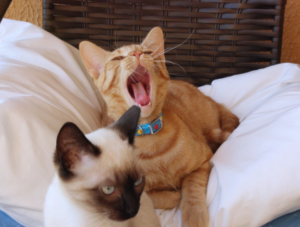
Cats may look aloof, but they do feel jealousy, rooted in a strong sense of ownership. When a new pet arrives or you focus on another animal, a cat may fixate on the "rival" while emitting a low growl. Some cats act out by spraying, destroying things, or fighting; others go quiet, hide, and refuse food. That withdrawal reflects sadness and anxiety, and if ignored it can harm health, lowering immunity, causing weight loss, or triggering feline idiopathic cystitis. The good news is that jealousy means your cat cares; more one-on-one time and a slow introduction of newcomers resolve most cases.