Search Results
357 results for “kitten vomiting”
What to Know Before Keeping a Ragdoll Cat
Ragdolls are famous 'glass-stomach' cats that need careful diet and regular brushing, plus watch for inherited heart and kidney disease. Pick a high-protein, low-allergen food, brush three to five times a week, and keep up with vet checks to catch problems early.
My Cat’s Vaccine Spot Is Swollen — Should I Worry?
A small, soft swelling at a cat's injection site is usually normal: it clears within a few days as the vaccine fluid spreads and mild inflammation fades. Be cautious only if the lump grows past 3 cm, lasts over a week, or comes with signs of a serious allergic reaction.

How to Manage a Cat’s Frequent Soft Stools
Frequent soft stools usually come from a sudden food change, allergy, bad food, parasites, or gut-flora imbalance. Keep a food diary, switch foods over 7 days, add a cat probiotic, cut environmental stress, and deworm regularly; if it persists with weight loss, a fecal test and prescription diet may be needed.
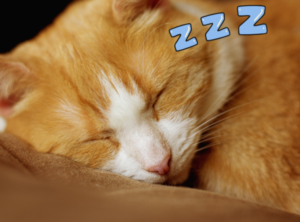
Is It Normal for a Cat to Sleep All Day?
It's normal for a healthy adult cat to sleep 15–20 hours a day (kittens and seniors even more). Most of that is light dozing — only 20–30% is deep sleep. If your cat wakes cheerful and eats normally, don't worry; but sudden lethargy with appetite loss, weight loss, fast breathing, or hiding needs a vet.
How Many Meals a Day Should a Cat Eat?
Cats evolved to eat small amounts often (wild cats hunt 10–20 times a day), so mimic that with frequent small meals. Kittens need 4–6 meals, adults 2–4, seniors 3–6; free-choice feeding risks obesity, while scheduled meals let you spot illness early. Pregnant or nursing cats and dieting cats need their own plans.

What Causes a Cat’s ‘Glass Stomach’?
A cat's 'glass stomach' (chronic sensitivity) usually comes from poor diet (frequent food switches, intolerances, low-quality kibble, human food), irregular feeding, stress, or dental issues. Past illness (panleukopenia, parasites, gastritis, pancreatitis, hairballs) can also damage the gut lining. Fix diet, add probiotics, cut stress, and see a vet for ongoing vomiting, diarrhea, or weight loss.

Why Does a Cat Eat Cat Litter?
A cat may eat litter out of curiosity, mistaking it for food, digestive upset, stress, or a nutrient deficiency (pica). Stop it at once, and if it persists, see a vet to rule out disease. Switch to low-dust, unscented litter and keep the cat well fed to cut the risk.

Why Does a Cat Vomit After Taking Deworming Medicine?
A little vomiting after a cat takes dewormer can be normal — the medication irritates the gut somewhat, and mild discomfort usually passes quickly. But if the reaction is severe or lasts a long time, see a vet. Always dose by weight to avoid overdose and poisoning.
Do You Have to Transition When Switching Cat Food?
To be safe, always transition cat food gradually. A cat's simple diet builds gut flora matched to the old recipe; a sudden new formula can overwhelm it, causing poor digestion and stomach upset. Timid cats may also stress — refusing food, hiding, even accidents. The '7-day method' works best: 80/20 for days 1–2, 60/40 for 3–4, 40/60 for 5–6, 80% new by day 7, fully switched on day 8. Extend to 10–14 days for kittens, seniors, or sensitive stomachs. Skip the transition only if your cat has an iron stomach or the old food has run out — then add probiotics. Stop and revert at any sign of soft stool or vomiting.
Why Is Your Cat Panting in the Car? Causes and What to Do
If your cat pants with its mouth open on a car ride, don’t ignore it. In most cases—around 80%—it’s fear: indoor cats suddenly confined in a small, noisy, vibrating space experience a spike in adrenaline that speeds up heart and breathing, and open-mouth breathing is how they meet the higher oxygen demand. But panting can also signal heatstroke, carsickness, or an underlying heart or respiratory condition. This article explains the main causes, how to tell them apart, and a graded response—from calming a mildly stressed cat to urgent steps if the tongue turns blue—so travel becomes less frightening for everyone.