Search Results
357 results for “kitten vomiting”

Do Kittens Get Diarrhea With the Seasons?
Kittens often get loose stools at season changes because shifts in temperature, humidity, and pressure stress sensitive cats and upset gut flora, worsened by cold bellies and abrupt diet changes. Keep them warm, keep the diet simple, and add a probiotic (Bacillus subtilis, Saccharomyces boulardii); if diarrhea is watery, bloody, smelly, with lethargy or other signs beyond 3 days, see a vet.
Why does my two-month-old kitten have diarrhea with blood?
Bloody diarrhea usually comes from parasites, viruses, or enteritis. Parasites and coccidia cause jelly-like or terminal bleeding; panleukopenia adds vomiting and fever; enteritis needs antidiarrheal and probiotics.
What should I do if my kitten eats cat litter?
Eating a little litter is usually harmless; watch for vomiting and use probiotics, but frequent vomiting needs a vet. Switch to unscented litter, separate the litter box from feeding, and mark it with the cat's scent.
What can you feed a one-month-old kitten?
A one-month-old kitten needs easily digestible food such as goat milk formula, warm-water-softened kibble, and kitten pate. Supplement with boiled, minced chicken, but avoid canned food and seasoned human meals to protect its immature digestion.
Is Cat Hairball Vomiting Good or Bad?
An occasional hairball is not a 'good' thing — it's just the body clearing built-up fur. If vomiting is rare (once every 1–2 months), the cat stays lively with normal eating and the vomit is only fur and a little mucus, there's little to worry about. But frequent vomiting, or signs like lethargy, poor appetite, diarrhea, or weight loss, often point to a gut problem and warrant a vet visit.

Bringing Home a 2–6 Month Old Puppy or Kitten: A Complete Care Checklist
A new 2–6 month old puppy or kitten is fragile, and mistakes in the first weeks—too much handling, wrong food, missed vaccines—can cause stress, illness, or worse. Start by letting the pet settle alone for 1–2 hours before gentle interaction; keep the same food it had before (soak kibble if needed) and feed 3–4 small meals a day. Watch the first week closely, since transport can expose them to panleukopenia, cat flu, distemper, or parvovirus on top of stress. The vaccine and deworm timeline matters: deworm first, wait at least 7 days, then vaccinate (dog multivalent from ~45 days, three shots 21 days apart, rabies at 3 months; cat FVRCP from 2 months, three shots 28 days apart, then rabies). Don’t bathe, delay outings until vaccinated, and never feed toxic people foods like grapes, chocolate, coffee, or avocado.
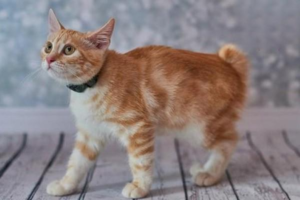
When Should a Kitten Start Deworming?
Even indoor cats can pick up fleas, mites, tapeworms, and roundworms, and a heavy parasite load harms the skin, gut, and normal growth—so a regular deworming schedule matters from a young age. Preventive treatment can begin as early as two to three months, while an active infection needs a targeted, gentle product suited to a kitten's sensitive stomach. This guide covers when to start, how often to repeat, and the key precautions around bathing and vaccines that every cat owner should know.

Cat Vomiting Yellow Fluid and Undigested Kibble: Causes and Care
When a cat throws up yellow fluid and undigested kibble, weak intestines, especially in kittens, are often to blame. If lethargy and appetite loss accompany it, rule out feline panleukopenia with a vet. Otherwise the usual causes are simple indigestion from irregular feeding, intestinal parasites, or gastroenteritis from spoiled food. Manage mild cases with a pet probiotic and a short fast, treat parasites with a dewormer, and seek a clinic if it persists beyond 24 hours.

Why Does Your Kitten Swallow Food Without Chewing?
Cats barely chew—and that's normal. Their wild ancestors tore prey into chunks and swallowed fast to avoid theft, and their teeth shear rather than grind. The risks are real, though: eating too fast brings vomiting, choking, and more tartar. Teach chewing with chew treats and slow-feeder bowls, switch to dental kibble or softened food, and give a calm, separate eating spot plus regular toothbrushing to protect oral health.

Kitten Vomited After Overeating—What to Do
A kitten's stomach is small, so eating too much or too fast easily triggers vomiting. Start by resting the gut with a short fast—1–2 hours (never long for under-three-month kittens, who risk low blood sugar)—then offer tiny amounts of water and easily digested food, building back up over a day or two. Tell simple overeating from illness by the cat's spirit, and head to a vet for frequent, bloody, or weakness-causing vomiting.