Search Results
57 results for “kitten transition”
My kitten switched food abruptly with no transition, ate a lot, then had diarrhea; I bathed it, and next day it was lethargic, dry-nosed, and refusing food, now vomiting but stools normal.
Food changes must be gradual; a sudden large amount causes gut upset with diarrhea and vomiting. This is likely stress from the switch plus the bath. Stop the new food, return to soaked old food, add probiotics. If vomiting continues, fast 6 to 8 hours with glucose electrolyte water, then pet anti-vomit medicine and antibiotics; if it stops, slowly return to soaked food; if it continues, see a vet.

How to Feed a Kitten: Schedule, Diet, and Foods to Avoid
Kittens need frequent small meals of quality kitten food — at least three a day under six months — with fixed times and a clean, quiet spot to eat. Never give cow's milk (most cats are lactose intolerant), cooked bones, chocolate, grapes, onions, or raw meat and eggs; switch to adult food gradually over 5 to 7 days around the first birthday.
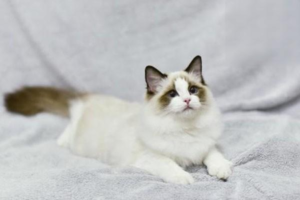
How to Wean a Kitten
If not weaned at the right time, a kitten may want mother's milk into adulthood. Usually by 2 months it should be fully weaned.

Feeding a Growing Kitten: Diet and Development
A kitten's body is still developing and grows fast, so balanced, ample nutrition matters. This guide covers the weaning transition, the high energy, protein, calcium, phosphorus, and taurine needs of the growth stage, and how a kitten's weight and maturity progress to adulthood.

What to Feed a 2-Month-Old Kitten: A Complete Care Guide
At two months a kitten has just been weaned and its digestion is still immature, so feeding needs care. This guide covers the right diet—kitten kibble softened with goat's milk—plus warmth, deworming and vaccination essentials.
My 2-Month-Old Unvaccinated Kitten Vomited Food and Has Diarrhea After Milk and a Cat Treat – Why?
Vomiting undigested food and diarrhea are likely indigestion. A 2-month kitten has weak digestion and should not eat cat strips. Fast it, give probiotics, watch; after relief, feed the original food and transition diets gradually.
My kitten got soft stools after a food switch, then diarrhea
Soft stools and diarrhea after a diet change are often gut intolerance; young kittens have fragile stomachs, so delay switching until 6 months and use a 7-day transition with probiotics.
A kitten has had diarrhea for 5 days in a new environment
Diarrhea in a newly homed kitten is often environmental stress or food change. Keep it on its old food, add probiotics, give a hiding spot and blanket for security, and transition gradually to weaning food.
What is best to feed an unweaned kitten?
Feed unweaned kittens pet goat milk formula every 2-3 hours, then add milk cake near weaning and move to kitten food. Balanced nutrition supports growth.
My Two-Month-Old Cat Was Brought Home the Day Before Yesterday, Fed Cat Food Directly Without Transition, Now Has Yellow Stools and Low Energy. Can I Give It Probiotics, and Should I Withhold Food?
Cat diarrhea is usually caused by parasites, bacterial enteritis, food-change indigestion, or panleukopenia. If the cat's energy and appetite are normal, the cause is likely indigestion from the new environment or food, and short fasting with anti-diarrhea and anti-inflammatory medication may help.