Search Results
11 results for “kitten socialization”

How to Raise a Social, Confident Kitten
A confidently social cat is not born that way—it is shaped during the socialization window of 2–7 weeks after birth, when a kitten's brain is most open to new people and experiences. During this period, gradually acclimate the kitten to its home, then to the outside world and strangers; get it used to being touched on paws, mouth, and ears so future grooming is easy; and invite gentle friends to interact on the cat's terms. If you missed the window, an adult cat can still learn with extra patience, treat-based trust, calming tools, and perhaps a calm 'social mentor' companion. Always respect the cat's individual personality.
How to Adopt a Healthy Kitten
Adopting should be joyful, but a profit-driven breeding market hides risks. A healthy kitten comes from healthy, well-matched parents raised in clean, nourishing conditions and weaned at the right time. The golden rule: see the parents before adopting—either paid or free—so you can judge their health, diet, and whether the pairing risks congenital disease (fold-to-fold or dwarf-to-ragdoll matches are red flags). Also avoid taking a kitten home before 12 weeks, when key socialization happens.

How to Raise a Well-Behaved Cat Through Socialization
Many owners hit headaches: a kitten that will not settle in, stops eating, even stresses to life threat; or a cat that hides at any stranger. These trace to weak early socialization.
Causes of Feline Phobias
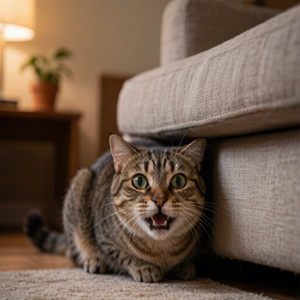
Fear is a normal response to threatening stimuli, but when it becomes excessive and irrational it crosses into phobia. This article explains the possible triggers of feline phobias, how they develop through innate and learned pathways, the sensitive period of kitten socialization, and how to prevent fear from becoming a lifelong problem.
Can a Cat’s Personality Change?
A cat's personality can shift under certain conditions, influenced by negative experiences, health, age, and genetics. For example, a once sunny cat may become timid or depressed after abuse or the loss of a companion. To keep a cat's character stable and healthy, provide a steady environment, proper socialization, and plenty of affection.
Are Cats Afraid of Thunder?
Cats hear a far wider range of sound than people do, so a thunderclap that seems loud to us can be overwhelming to them. The sudden onset, before they have time to adjust, can trigger real fear and even stress-related illness—especially in timid cats or certain sensitive breeds. During storms, move your cat to a quiet, comfortable room, offer treats or toys to distract it, and stay calm and close. Longer term, gentle sound-socialization as a kitten can help a cat tolerate loud noises such as thunder and fireworks.
Why Does My Cat Attack Me?
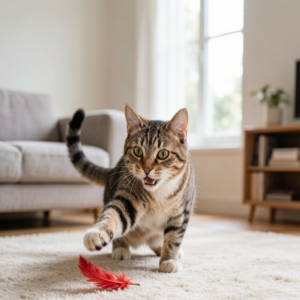
A cat that attacks its owner is often reacting to misunderstood play or training. Using hands or feet to play can teach a cat to treat body parts as prey, triggering its hunting instinct to strike. To prevent this, never encourage such play and redirect with a wand toy. Attacks can also be a bid for attention, in which case ignoring the behavior works best. Kittens that bite usually missed socialization training, which teaches them how to interact with people. Other causes include fear-based defense, pain or illness, and redirected anger. Reading the context helps you respond safely.
A Science-Based Cat Care Guide by Life Stage
Care changes with age. Milk kittens (0–2 months, 100–700 g) stay with mom, start socializing at 3 weeks, and get their first vaccine. Juveniles (3 months–1.5 years, 1–5.5 kg) need socialization, vaccines, deworming, rich food, and spay/neuter. Adults (1.5–7 years) need ongoing prevention, diet control, seasonal care, and play. Seniors (~7 years) need high-nutrient digestible food, a stress-free home, and more frequent checkups. As a rule of thumb, a cat's first year equals a human's 16–18, then each year adds about four or five.

How to Prevent Cats from Fighting Each Other
Understanding the underlying cause of feline aggression and addressing it early is key. Cat aggression falls into five types—territorial, fear-based, pain-related, play, and redirected—and each responds to specific environmental changes. Spaying/neutering, pheromones, and enough resources also help.

What to Do About Cat Stress (Stress Response)
Stress weakens a cat's immune system and can trigger bladder, gut, and breathing problems along with anxiety. A calm environment, a safe hideaway, and patience help; good early socialization prevents much of it.