Search Results
127 results for “kitten sleep”

Why Do Cats Breed with Their Mothers?
Cats mate with their mothers mainly because they have no concept of inbreeding—it is pure instinct, and without another partner during heat they will mate with the nearest relative. The harms are real: more genetic defects and disease, weaker immunity, and lower fertility. Owners should separate sexes at maturity and neuter if not breeding.
How long after birth does a mother cat leave the nest?
You may move kittens to a new nest around one month, but it is not needed. Once they walk, the mother moves them to a comfy spot, so no need to change it. She cares well; just manage her feeding. Do not visit too often, or she may hide them.
At what age does a cat recognize its owner?
Cats usually recognize their owner around 2 months, but bonding needs consistent feeding and company. Raised from kittenhood, they treat the owner as mother and become very clingy and affectionate.

Is Feline Leukemia Contagious? What Every Cat Owner Should Know
Feline leukemia (FeLV) is contagious — but only between cats and other pets, never to people. It's a retrovirus spread through saliva, nasal fluid, urine, and milk that weakens the immune system. There's no cure, so prevention matters: vaccinate kittens, keep cats away from strays, and test and isolate any new cat for two weeks.
Should I leave a light on for my cat at night?
Cats do not need a night light due to excellent night vision, though a small one helps an insecure new kitten adjust. Remove it once the kitten settles, as constant light harms sleep.
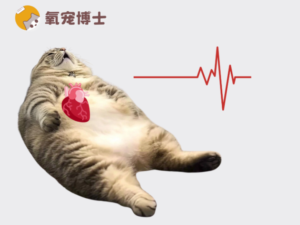
What Is a Normal Heart Rate for a Cat?
A healthy adult cat's heart rate is 120–160 beats per minute (kittens up to ~200; seniors and large breeds 140–160). Measure it via the inner foreleg pulse or a stethoscope over the left chest when the cat is calm. Persistently fast, irregular beats with coughing or low exercise tolerance can mean heart disease (e.g., hypertrophic cardiomyopathy); seek a vet if the resting rate stays above 180 or below 100.
How to check a cat for FIP (feline infectious peritonitis) at home?
Common FIP signs include a swollen belly, lethargy, reduced appetite, sleepiness, and rapid breathing. Watch for these to make a preliminary judgment; kittens with diarrhea and abdominal swelling are likely infected. Confirm with a vet via bloodwork and imaging.
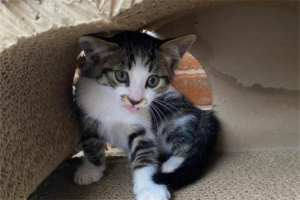
Common Causes of Death in Stray Cats
Stray cats die from cars, fights with dogs, starvation, abuse, poisoning, and disease. Harsh living, no steady food, and weak immunity make illness often fatal, especially in winter and for newborn kittens. Don't abandon pets, and don't add to their struggle.

What Temperature Means a Cat Has a Fever
A cat's normal temperature is 38.5-39.5°C, so 39°C is fine. Over 39.5°C counts as a fever; 40-40.5°C is low, 40.5-41.5°C moderate, and 41.5-42.5°C high. Exercise, heat, and stress can nudge it up, so watch for other symptoms too.

A Cat’s Life Stages and Care Tips
A cat's average life is about 15 years. Key stages: kitten (0-6 mo, wean and vaccinate), young adult (1-3 yr), adult (3-6 yr), mature (7-10 yr, senior food), senior (11-14 yr, yearly exams), and geriatric (15+ yr, twice-yearly vet visits). Spay/neuter if no breeding plan.