Search Results
7 results for “kitten recognition”
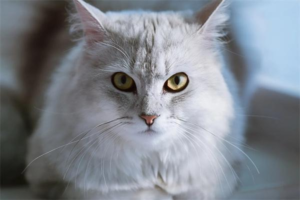
Does a Mother Cat Remember Her Kittens Forever?
A mother cat does not necessarily remember her kittens forever — it depends on separation time, environmental change, and household changes. Keeping the household stable and maintaining regular interaction between mother and kittens can deepen their bond and memory. A few simple habits help a mother cat keep recognizing her young.

5 Cat Breeds That Barely Shed
If cat hair is your nemesis, consider the Sphynx, Tonkinese, Bombay, Cornish Rex, or Devon Rex — low-shedding breeds with distinct looks and affectionate natures.
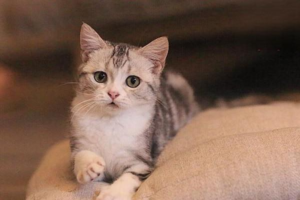
Why Do Cats Like Looking in Mirrors?
Cats don't pass the mirror self-recognition test, so a cat staring into a mirror likely sees a rival or playmate, not itself. Reactions vary—some ignore it, some curiously peek behind, some get defensive, and some attack. A tense reaction can signal strong territorial instinct.

Ocicat
The Ocicat, despite being mistaken for a wild cat, is a wholly domestic breed developed in the United States from Abyssinian, Siamese, and American Shorthair ancestors. After a winding path to recognition, a decade of bloodline management won it acceptance. With its spotted, wild-looking coat and friendly, active nature, the Ocicat is a striking yet affectionate companion.
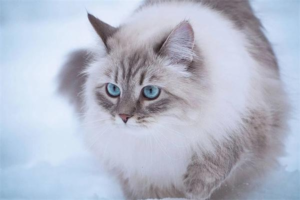
Why Do Cats Breed with Their Mothers?
Cats mate with their mothers mainly because they have no concept of inbreeding—it is pure instinct, and without another partner during heat they will mate with the nearest relative. The harms are real: more genetic defects and disease, weaker immunity, and lower fertility. Owners should separate sexes at maturity and neuter if not breeding.

How to Tell If Your Cat Has Miscarried
Early in pregnancy a miscarriage is subtle — occasional pink discharge and a slight drop in appetite. After a month, when the kittens are formed, you'll see heavy red discharge with abdominal pain, cramping, lethargy, and poor appetite; a premature birth yields very small live or dead kittens, even mummified ones. After any miscarriage, see a vet for X-ray or ultrasound to confirm the placenta is fully expelled and prevent infection.

When Do Cats Knead (and What Does It Mean)?
Cats usually knead in a few clear situations: when hungry, when happy and relaxed, during heat, or when missing their mother. The behavior starts in kittenhood—pawing the mother's belly to stimulate milk—so a hungry cat may knead to ask for food, while a content cat kneads to show trust. During heat, kneading is self-soothing and shouldn't be interrupted. When your cat kneads you, it feels safe and fond of you, so don't push it away. This article explains the triggers and how to respond.