Search Results
143 results for “kitten probiotics”

How to Manage a Cat’s Frequent Soft Stools
Frequent soft stools usually come from a sudden food change, allergy, bad food, parasites, or gut-flora imbalance. Keep a food diary, switch foods over 7 days, add a cat probiotic, cut environmental stress, and deworm regularly; if it persists with weight loss, a fecal test and prescription diet may be needed.

What Causes a Cat’s ‘Glass Stomach’?
A cat's 'glass stomach' (chronic sensitivity) usually comes from poor diet (frequent food switches, intolerances, low-quality kibble, human food), irregular feeding, stress, or dental issues. Past illness (panleukopenia, parasites, gastritis, pancreatitis, hairballs) can also damage the gut lining. Fix diet, add probiotics, cut stress, and see a vet for ongoing vomiting, diarrhea, or weight loss.

Why Does a Cat Eat Cat Litter?
A cat may eat litter out of curiosity, mistaking it for food, digestive upset, stress, or a nutrient deficiency (pica). Stop it at once, and if it persists, see a vet to rule out disease. Switch to low-dust, unscented litter and keep the cat well fed to cut the risk.
Do You Have to Transition When Switching Cat Food?
To be safe, always transition cat food gradually. A cat's simple diet builds gut flora matched to the old recipe; a sudden new formula can overwhelm it, causing poor digestion and stomach upset. Timid cats may also stress — refusing food, hiding, even accidents. The '7-day method' works best: 80/20 for days 1–2, 60/40 for 3–4, 40/60 for 5–6, 80% new by day 7, fully switched on day 8. Extend to 10–14 days for kittens, seniors, or sensitive stomachs. Skip the transition only if your cat has an iron stomach or the old food has run out — then add probiotics. Stop and revert at any sign of soft stool or vomiting.
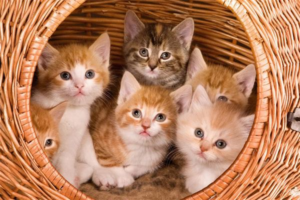
Can Cats Eat Spicy Food?
Cats should never eat spicy food. Although they may curiously sniff your plate, capsaicin, the compound that makes food hot, acts on a cat's nasal and oral membranes as a painful irritant rather than a flavor. When exposed, cats feel burning and pain, often drooling, tearing up, or sneezing, and the spice irritates their stomach lining, which can lead to vomiting, diarrhea, and dehydration. Cats are obligate carnivores with digestive systems very different from ours, and they gain no benefit from chili or strong seasonings. If your cat licks a small amount, watch closely and offer water or kitten-milk formula to soothe the gut; for clear distress such as vomiting, diarrhea, or refusing food, give pet probiotics and see a vet promptly. To keep your cat safe and healthy, stick to proper cat food and a balanced diet, and never share spicy human meals.

Why Does Your Cat Eat but Stay Thin? (Worms and More)
A cat that eats well but stays thin is often fighting intestinal parasites—roundworms, tapeworms, hookworms, giardia, or coccidia—that steal nutrients and release toxins interfering with digestion, causing slow or lost weight, anemia, and poor growth. Tell-tale signs include soft stools, rice-like segments near the anus, scooting, pale gums, and a swollen belly. But worms are not the only cause: poor absorption, hyperthyroidism or diabetes, repeated heat cycles, or a low-protein diet can also keep a cat lean. The fix is a tailored deworming plan plus gut probiotics and high-protein meals; spaying helps if heat is the driver. See a vet if weight keeps dropping.

A Complete Guide to Cat Diarrhea
Diarrhea is simply stool with too much water, but its causes are many: osmotic, secretory, permeability, or motility driven. It may signal gut disease or something elsewhere like the liver, thyroid, or kidneys. This guide breaks down the types, classifications, common diseases, and a sensible first-response plan.
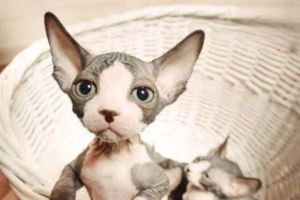
Monthly Shopping List for a New Cat
Buy in stages. Week 1: kitten food, goat milk powder, two bowls, a carrier, a covered litter box, litter, and pee pads. Within a week add a teaser wand, scratcher, cat tree, and probiotics for soft stools. By one month: the FVRCP vaccine series (shots at ~8, 12, 16 weeks) and internal/external dewormer. At 2–3 months add brush, nail clippers, clippers, toothpaste, disinfectant, wipes; rabies after FVRCP, then at 4–6 months a few treats, a first-aid kit, and bath supplies. Transition to adult food at 7–9 months, and from 10 months just restock the 'big three': litter, food, dewormer.
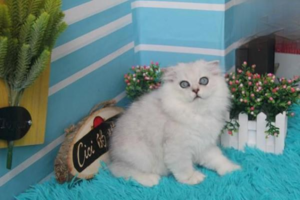
What to Do When Your Cat Has a Sensitive Stomach
Vomiting has clear causes: regurgitated kibble means eating too fast or too much (slow it with set meals; soften for kittens); hairballs need daily brushing and cat grass; bile from an empty stomach needs small frequent meals; blood means inflammation or a sharp object—go to the vet. For soft stool, withhold food and water a day and give probiotics. Underlying causes include skipped deworming (internal every 3 months, external monthly) and bad habits: too many salty snacks, abrupt food changes (transition over 7 days), and mixing new food into old.

Pica in Dogs and Cats
Pica is the compulsive eating of non-food objects such as stones, plastic, grass or wall plaster. It often signals a nutritional gap, pancreatic disease or parasites, and swallowed items can obstruct or perforate the digestive tract.