Search Results
107 results for “kitten deworming”

How Long Between a Cat’s Vaccination and Deworming?
Kittens are due for both vaccines and deworming around two months of age, and doing them together raises the risk of allergy or vaccine failure. The safe rule is to separate the two by at least a week. Vaccines briefly lower the cat's resistance while they build antibodies, and dewormers carry a small toxicity that the body tolerates only when healthy. This guide explains the interval and the practical cautions for both procedures so your cat stays protected without setbacks.
Why does a cat vomit after deworming?
Dewormers can irritate the gut and cause vomiting, especially in kittens; use a safe product and control the dose strictly.
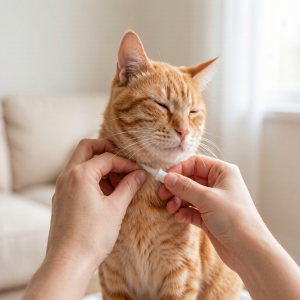
Do Cats Need Deworming in Winter?
Parasites stay active even in winter, so year-round deworming matters. Fleas, ticks, heartworm, and intestinal worms can all affect cats during the cold months, and several safe topical and systemic products are available.

Cat Deworming Schedule and Precautions
Parasites are among the few diseases preventable by routine care; timely deworming is key to a cat's health.

Cat Deworming: Methods and Timing
Parasites are among the few cat illnesses you can actually prevent. A regular deworming schedule protects your cat — and since many parasites are zoonotic, it protects you too. Here is what to know about internal and external parasites and when to treat.

Why Your Kitten Has Diarrhea: Common Causes and Care
Kitten diarrhea has several common triggers — chills, an immature or stressed gut, or parasites. Finding the cause before treating it is the fastest way to get a young cat's digestion back on track.

Kitten Has Diarrhea, Won’t Eat, and Is Lethargic
Diarrhea with no appetite and low energy in a kitten usually means a diet switch, gastritis, or worms. A probiotic and easy food help mild cases; severe ones need a fasting period and a vet. Find the cause before treating, and deworm every three months.

What to Do When a Nursing Kitten Has Diarrhea
A young kitten's gut is fragile, so diarrhea usually traces back to the wrong food, weak digestion, or parasites rather than anything that needs medicine right away. Settle the stomach with the right feeding, add probiotics, and let a vet rule out worms before reaching for drugs.

What to Do When a 2-Month-Old Kitten Has Diarrhea and Won’t Eat
A two-month-old kitten is mid-weaning and easily gets diarrhea from diet slips or the stress of a new home. Hold food briefly while keeping water available, use a vet-approved anti-diarrheal, stay on schedule with deworming, and add a probiotic to settle the gut.
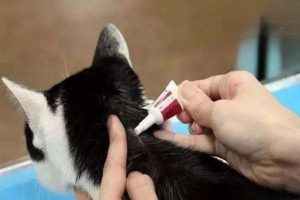
How to Tell If Your Cat Needs Deworming
Most internal parasites are invisible to the naked eye until an infestation is advanced, so routine deworming matters more than waiting for symptoms. Kittens need monthly protection and healthy adults every three months; a vet can confirm parasites from a stool sample under the microscope.