Search Results
167 results for “kit nursing”

How to Care for Kits in Winter
Winter's cold is very harmful to kits; owners must step up care. Here is what to do so rabbits get through winter safely.

How to Raise Newborn Rabbit Kits
Raising kits is hard and losses are high, but if you ever breed rabbits you must know it. Here are the eight essentials of kit care.

Feeding a Nursing Doe Rabbit
A doe nurses for about 35 to 40 days. Good milk needs the right feed and steady water. Here is how to manage a lactating doe's diet.
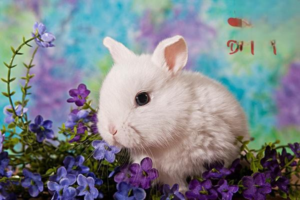
How to Manage a Nursing Doe Rabbit
After birth, kit care matters, but the doe needs care too. Poor doe care means low milk, weak next litters and mastitis. Here is the management plan.

Causes and Control of Kit Yellow Urine Disease
Kit yellow urine disease is acute enteritis named for the yellow stools. Hot humid summer and doe milk problems are major factors. Here is what causes it and how to control it.

Why Kits Get Chilled and How to Revive Them
Kits get chilled when the nest box isn't ready, the doe births outside it, or a kit is dragged out while nursing. This guide covers the causes and three warming first-aid methods to save a cold kit.

Preventing and Treating Diarrhea in Unweaned Kits
Unweaned kits are fragile and diarrhea is often fatal, unlike in adults. This guide covers why kits get diarrhea and how the doe-kit cage (separating mother and kits except at nursing) dramatically raises survival.

Feeding a Growing Kitten: Diet and Development
A kitten's body is still developing and grows fast, so balanced, ample nutrition matters. This guide covers the weaning transition, the high energy, protein, calcium, phosphorus, and taurine needs of the growth stage, and how a kitten's weight and maturity progress to adulthood.
My cat passed several tapeworms today, and the kittens still need milk. Can tapeworms spread to the kittens through the milk?
A nursing mother cat infected with tapeworm can pass it to kittens through milk, and close contact can too. Isolate mother and kittens, feed kittens goat milk, deworm the mother, and disinfect the environment.
Why do kittens get infected with tapeworms?
Kittens usually ingest tapeworm eggs from contaminated feces in the environment, or via mother's milk if the mother is infected. Deworm promptly if infected.