Search Results
1200 results for “keeping”

Why Your Cat Won’t Eat After Vaccination
Low appetite, mild fever, or sleepiness after a vaccine are normal and fade in 1–2 days. Serious signs — facial swelling, vomiting, shock — need urgent care. Only vaccinate a healthy cat, disclose past allergies, and watch for 30 minutes post-shot.
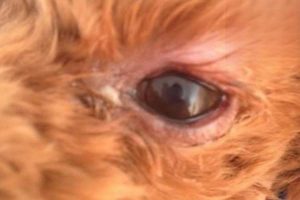
Why Are My Teddy Dog’s Eyes Red?
Red, irritated eyes are common in dogs and can range from harmless to serious. Frequent triggers include exercise, diet-related 'heat,' foreign objects, infections, and injuries. Most mild cases improve with gentle cleaning, but persistent redness needs a vet check to protect your dog's vision.

Can Parvovirus Spread Between Dogs?
Parvovirus spreads readily between dogs through contact, feces, blood, food, and even air, especially where dogs gather like parks and kennels. Puppies show vomiting and bloody diarrhea, so prompt vet care and keeping unvaccinated dogs home are key.

Dog Viral Enteritis: Causes, Signs, and Care
Viral enteritis causes diarrhea and vomiting in dogs and can dehydrate puppies fast enough to be life-threatening. Withholding food while keeping water up, small frequent meals, and prompt vet care for severe cases are the main steps.

What to Do When Your Dog Has Blood in Its Stool
Blood in a dog's stool can come from something mild like a sudden food change, or from serious issues like gastroenteritis, an intestinal tear, or infections such as parvovirus. Match the cause to the right response, and see a vet whenever the bleeding is severe or unexplained.

How to Treat Fungal Skin Infection in a Puppy
Fungal skin infection in puppies is common, slow to clear, and easy to confuse with other conditions — poor nutrition, a dirty environment, or careless grooming all raise the risk. Signs include circular hair loss, scaly patches, pimples, and relentless scratching. Treat with medicated baths, an antifungal spray, and a repair ointment, while boosting nutrition and keeping the environment clean.

Best Treatment for Cat Ringworm
Ringworm is a fungal infection affecting roughly one in four cats, caused mainly by Microsporum and Trichophyton species. Effective treatment combines clipping widespread patches, medicated baths, vet-prescribed antifungal sprays or ointments with oral medication, and thorough environmental disinfection. Keeping up parasite prevention and a clean home stops recurrence.
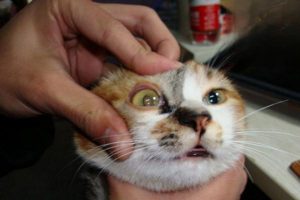
What to Do When Your Cat Has Watery Eyes and Sneezes
Watery eyes and sneezing in cats are usually a simple cold, feline herpesvirus (rhinotracheitis), or allergic rhinitis — not always panleukopenia, as many owners fear. Matching the cause to the right care matters, and severe or low-energy cases need a veterinarian. Keep the environment dust-free and ask your vet about helpful supplements.

Why Your Corgi Has Red Bumps
Red bumps on a Corgi usually signal folliculitis caused by bacteria, fungus, or Demodex mites. Keeping the coat clean, the living space dry, and the dog away from infected dogs prevents most outbreaks.

How to Treat Folliculitis in Dogs
Folliculitis shows up as red, swollen skin with tiny black specks at the hair roots that come off easily when wiped. Mild cases respond to gentle cleaning and an antibiotic ointment; severe ones need a vet visit or medicated bath. Keeping the coat dry and clean is the best prevention.