Search Results
784 results for “keep dog warm”

Complete Summer Pet Care Guide
Summer raises five common risks for pets, heart trouble, colds, skin disease, heatstroke, and stomach upset, so manage exercise, cooling, and food hygiene carefully. Keep water available, avoid midday walks, and never leave a pet in a parked car.

How to Raise a Golden Retriever in Different Climates
Golden Retrievers adapt to cold, heat, and apartment life with adjusted care: high-protein food and draft-proof bedding in cold regions, cool-time walks and shade in humid heat, and leashes plus sun time for indoor dogs. Teach puppies the way home and never let small ones roam loose.

Is Canine Hip Dysplasia a Joint Disorder?
Hip dysplasia is a hereditary condition where the socket and ball of the joint no longer fit and move together properly. Affected dogs limp, bunny-hop, rise slowly, and struggle with stairs; large breeds often show clear signs by age four or five. Manage it with early screening, limited exercise, and keeping the joint warm and dry.

Do You Need a Rabies Vaccine After a Ragdoll Cat Scratches or Bites You?
A cat kept strictly indoors with no exposure to stray animals and vaccinated within the past year poses almost no rabies risk, so a scratch or bite usually needs only washing and disinfection. Worldwide, dogs cause about 99% of human rabies cases and cats under 1%, and a cat can only pass the virus during the three days before symptoms appear and while it is sick. When the source cat is unknown, follow the WHO 10-day observation rule and seek vaccination for any bite that breaks the skin.

Can Kennel Cough Be Cured? Symptoms and Treatment
Kennel cough is a highly contagious canine respiratory infection (canine adenovirus type II) marked by a harsh, barking, often night-worse cough. Most cases are mild and clear with cough control plus antibiotics, though puppies under six months can develop dangerous bronchopneumonia.
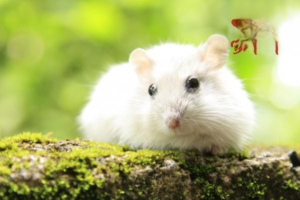
What to Do with Newborn Hamster Pups
Hamsters breed far more often than cats or dogs thanks to a high conception rate. After birth, keep the mother undisturbed and warm, separate the father at once, and boost the dam's protein and calcium; handle pups only with care since your scent can trigger rejection. For orphaned litters, bottle-feed goat's milk formula every 2–3 hours.

Why Does a Nursing Puppy Have Diarrhea?
Because nursing puppies have weak stomachs, even with the owner's careful care, a little negligence can cause diarrhea. There are many causes of puppy diarrhea; the cause must be found before treatment-do not use medicine casually and worsen the puppy's condition.

Can a One-Month-Old Puppy Die From Diarrhea?
Severe diarrhea in a puppy can easily lead to death. For example, severe gastroenteritis symptoms such as diarrhea and vomiting caused by parvovirus infection, if not treated promptly, cause severe dehydration from diarrhea and vomiting, leading to circulatory failure; meanwhile, anemia from parvovirus or secondary severe pneumonia raises the mortality rate considerably.

Simple Feeding Guide for Puppies and Kittens 0–1 Year
A general puppy/kitten feeding guide! 'General' means it suits most babies; it covers clothing, food, and shelter across three life stages.

Causes of Diarrhea in Two-Month-Old Puppies
Two-month-old puppies have weak constitutions and may get diarrhea from a cold, so keep them warm promptly to avoid colds. If a puppy eats something it should not or eats too much, it may upset its stomach or cause indigestion; probiotics are worth recommending. If the puppy's excretions are abnormal, seek medical attention promptly for deworming.