Search Results
784 results for “keep dog warm”

What Are the Signs That a Dog Is Sick?
Dogs cannot tell us in words when they feel unwell, so owners must read the signals their bodies send. A sick dog may show a sudden drop in appetite, much less energy, or unusual tiredness after light play. Vomiting and diarrhea often point to digestive trouble, parasites, or infection, while heavy shedding beyond the normal amount can signal skin allergies, pests, or nutritional or hormonal problems. A temperature above 39.5°C, rapid or labored breathing, and a fast heartbeat suggest fever, respiratory or heart issues that need prompt care. Pain and discomfort can also change a dog's mood, making it withdrawn, anxious, or snappy. If you notice any of these signs, see a vet for diagnosis and a treatment plan. Prevention helps too: keep up with deworming and vaccines, feed balanced clean food, keep the home dry and sanitary, and add warmth during seasonal changes.

How to Treat a Neck Sprain in Dogs
If your dog unfortunately suffers a neck sprain, get it to a veterinarian or emergency pet clinic right away. The vet will choose a treatment based on how severe the injury is, commonly using medication, physical therapy, or surgery. After treatment, the dog usually needs a rest period at home to recover fully, and you should follow the vet's advice for care. Neck sprains can happen from jumps, falls, sudden turns, or pulling too hard on a leash and tight collar. This article explains why sprains occur, the immediate steps to take, and the daily habits that help prevent them.
Why Is Your Dog Gasping or Breathing Rapidly?
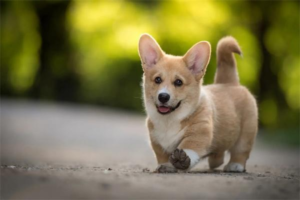
Occasional rapid breathing or gasping is normal after exercise or in heat and settles quickly. But it can also signal disease: respiratory infection, a blocked esophagus, tracheal stenosis, or heart problems. If it is frequent or lasts long, see a veterinarian. Prevent issues by keeping air fresh, grooming and deworming regularly, avoiding smoke and strong odors, and scheduling routine checkups.
Dog Gastroenteritis with Bloody Stool: A Recovery Case
A 5-year-old dog passed soft stool with a little blood at the end for nearly a week, yet kept a good appetite and energy—pointing to chronic enteritis or gut overload rather than a severe acute illness. With gut-protecting, antibiotic, and probiotic support plus a bland diet, the stool normalized within a day. The case shows how diet and the right care heal a fragile gut.
Don’t Ignore Joint Pain in Your Cat or Dog
Joint pain is not 'just old age.' From limping and hesitant jumps to morning stiffness and a short temper when touched, pets signal discomfort in quiet ways. Catching it early protects mobility and comfort. Learn the warning signs, why joints degrade, and the practical steps—weight, exercise, and veterinary care—that keep your companion moving.
How Often Should You Bathe Your Dog in Summer?
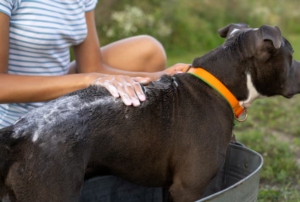
Bathing your dog once a week is usually too often. A dog's skin relies on its sebum layer to stay moist and protected; over-bathing strips it, causing dryness, worse odor, and skin infections. Frequency should follow coat type and lifestyle—indoor small dogs may need only every two to three weeks, while active outdoor dogs can go weekly. Between baths, wipes, toothbrushing, and ear care keep odor down.

How to Prevent Folliculitis in Dogs
Folliculitis—red, flaky, itchy skin with hair loss—is common in long, short, and hairless dogs alike, but you can lower the risk. Keep the skin clean with dog-specific, lukewarm baths at the right frequency (over-bathing damages the barrier); check the coat and skin weekly for redness, sores, or bald patches; feed quality, balanced food and skip table scraps that trigger obesity and hormone issues; give outdoor exercise to boost circulation and immunity; avoid over-brushing or over-clipping that breaks the skin barrier; and control external parasites with regular deworming. For a dog already affected, keep its space dry and clean, use gentle products, and see a vet promptly for severe signs like pus or intense itching—treatment is usually antibiotics, anti-inflammatories, or topical antiseptics.

Can Dogs Get Annoyed With Their Owners?
Dogs can grow weary of their owners, but it is less 'annoyance' and more that the owner's interaction style has become a source of stress. Endless hugging, kissing, or disturbing a dog's rest can raise its cortisol level by 27%–42%, leading to refusal to interact, ignored commands, sudden warmth toward strangers, or even furniture-chewing as a silent protest. The remedy is healthy boundaries: learn the dog's 'emotional threshold' signals—yawns, nose licks, a turned back, avoided eye contact—then stop and give it space, keep a predictable routine, and spend quality time outdoors together.

How Do Dogs Learn to Recognize Their Owner?
How fast a dog bonds with its owner varies with age, personality, and how it is raised. To speed things up, give plenty of loving care so the dog trusts and depends on you. A new dog is often wary, so let it first get used to you and its surroundings, then feed it yourself, spend time with it, and play often so it feels loved. Regular routines, gentle patience, small rewards, and daily interaction all help a dog recognize you as its person.

Dog Panting After a Short Walk? Watch for Heart Trouble
Panting after a brief walk is not always harmless—it can be a dog's heart crying for help. Heat, obesity, and flat-faced breeds pant normally and recover within minutes, but sudden breathlessness at rest, coughing at night, bluish gums, or constant fatigue warrant prompt cardiac screening. Early diagnosis and steady daily care can dramatically slow heart disease.