Search Results
784 results for “keep dog warm”
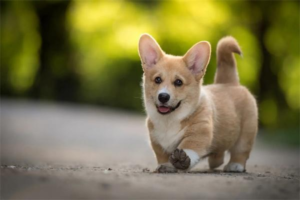
Signs of a Highly Intelligent Dog
Smart dogs read your mood, imitate well, are easy to train, check in on walks, communicate simply, refuse unsafe food, and keep their distance from strangers. They learn fast and comfort you when you're down.
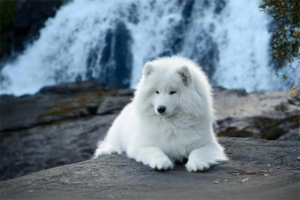
Does Your Dog Need Clothes in Winter?
Dogs evolved from wolves and have their own warming system, so most healthy dogs stay warm alone. But short-haired dogs, puppies, seniors, and those with joint or heart conditions get cold easily and benefit from a coat. Pick breathable fabric and the right size.

How to Deal with Heavy Tear Stains on a Dog?
Tear stains trouble many owners but can be eased with patience and simple steps. Clean the eyes regularly, keep the diet low in salt and additives, do gentle eye massage, trim the fur around the eyes, and use a tear-stain product. Adequate vitamin A and B and clean ears also help reduce staining.

What Are the Collie Dog Breeds?
Collies are not a single breed but a shared lineage of herding dogs that includes the Border Collie, Shetland Sheepdog, Scottish Collie, Cardigan Welsh Corgi, Australian Shepherd, and Welsh Corgi. They share sound genetics, strong bodies, and high survivability, yet differ in looks and temperament, so choose based on your preference.

What Causes Arthritis in Dogs?
Arthritis in dogs is driven by genetics, obesity, improper exercise, and aging. Breeds prone to joint dysplasia—such as Saint Bernard, German Shepherd, and Pomeranian—are at higher risk, while excess weight and hard exercise wear down cartilage, and older dogs lose bone density. Prevention centers on weight control, joint-friendly low-impact exercise, warmth, paw traction, and regular checkups.
How to Handle Milk Engorgement in Nursing Dogs
Milk engorgement in lactating dogs is common and, when mild, can be eased by adjusting the diet and gently massaging or warm-compressing the mammary glands. Severe cases—especially those involving mastitis—require prompt veterinary attention, often with antibiotics and manual milk drainage. Preventive care centers on balanced feeding, moderate exercise, and stress reduction.

How to Choose the Right Clothes for Your Dog
To find well-fitting dog clothes, measure neck, body length, and chest with a soft tape while the dog stands on flat ground; choose a size slightly larger for comfort. Pick natural fabrics like cotton or wool to avoid skin allergy and static.
How long does a dog’s cold and cough usually take to heal?
Recovery time varies with the dog's condition. Strong, resistant dogs heal in about 2-3 days of medication; weak ones may need 5-8 days. A cold cough is usually easy to cure, but treat actively, keep warm, and use pet cold medicine as needed for quick recovery.
How long after neutering can a dog eat?
Normally a dog can eat 8 hours after neuter surgery. Because the dog just had surgery, appetite and digestion are weak, so feed nutritious and easily digestible food like meat porridge or softened kibble. During wound recovery keep the dog warm and let it get some sun.
How long after vaccination before a dog can take cold medicine?
For one week after vaccination, no cold or antiviral medicine, since it can neutralize the vaccine's weakened/inactivated virus, causing low antibodies or failure. Keep the dog warm; if it catches a chill, give vitamins and immune boosters. Only use pet cold medicine after a week if symptoms remain.