Search Results
54 results for “isolation”
When Spring Makes Your Cat Restless
In heat, a cat grows more active and clingy, reeking of pheromones no bath can wash away, yowling at night and spraying - hard for any owner. But during this time, do not lose your temper and lock it away; isolation can cause depression. Do not push away an over-affectionate cat either, or you hurt the bond. And never spay during heat: wait until it passes, because enlarged ovaries from mature follicles are hard to remove cleanly and the cat may escape and get lost. Keep it safe indoors.
Why Cats Yowl in Spring (Heat) and What to Do
Spring brings the feline mating season and the sleepless yowling that comes with it. For cats not meant for breeding, spaying or neutering is the permanent fix - it ends the distress and lowers reproductive-disease risk for both sexes. If breeding is planned, wait until the female is 10-12 months and the male over a year, and isolate them from the opposite sex before then. Distract with play, gentle music or favorite food, and never use the dangerous 'cotton-swab method' or unproven 'heat-stopping powder'. This article covers heat timing, signs and precautions.

How to Safely Break Up a Cat Fight?
Cats that live together may occasionally scuffle, but frequent or violent fights need intervention. The key is to protect yourself first—never use your hands—then redirect their attention or separate them, and address the root causes with fair resources and gradual reintroduction.
What to Do When Your Cat Gets Ringworm
Ringworm is a common skin problem in cats, especially in newly adopted kittens, and while not deadly it is stubborn: mild cases clear in two to three weeks, but it can linger and relapse for three to four months. About 98 percent of cat ringworm is caused by the fungus Microsporum canis, which shows as round patches that shed hair and crust, itches, and spreads as spores travel. Because it can pass to people, control means antifungal medicine, immune support, thorough disinfection, sunlight, isolation from other cats, and care to avoid human infection.
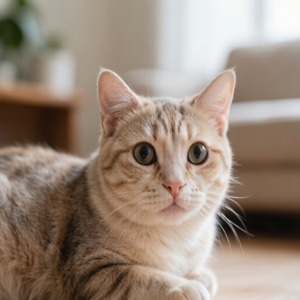
How to Treat Cat Sinusitis
Cat sinusitis is a common respiratory disease that can cause difficult breathing, coughing, head discomfort, and discharge. Treatment centers on controlling the infection—antibiotics such as amoxicillin-clavulanate for bacterial cases, or antiviral drugs like interferon when a virus is involved—plus isolation to protect other cats. Severe cases may need nasal flushing, and surgery if pus builds up and blocks breathing. This article outlines the symptoms, treatments, and home care you should know.
What to Do When Your Cat Eliminates Outside the Litter Box
Cats don't pee or poop randomly without a reason, so fixing it means finding the cause. Common ones: never learned the box (left the mother too early), bullied by other cats, disliking the box (too far, too tall, smelly litter), illness (soft stool, UTI, stones, diabetes), or anxiety marking. Solutions are specific—teach the box, build the outcast's confidence, fix the box setup, treat disease, and address social frustration (neutering alone won't stop spraying).
The Six Essential Nutrients Every Cat Needs
Like all mammals, cats need six nutrients to stay healthy: protein, carbohydrates, fat, minerals, vitamins, and water. Except for water, these must come from a balanced cat food rather than being offered separately. Each nutrient plays a distinct but interlocking role—protein builds and repairs tissue, fat supplies concentrated energy, and vitamins support everyday function. This article explains what each nutrient does, why animal protein suits cats best, and a key caution: raw fish and raw meat can rob cats of vitamin B1 and invite parasites, so always cook them and choose a complete, well-labeled commercial diet.
Dog Enteritis Causing Bloody Vomit: What to Do
Bloody vomiting and stool from dog enteritis has two main causes. Infectious (contagious) enteritis needs immediate isolation and clinic treatment—it is highly contagious and requires targeted medication, with a course of about 7–14 days. The gastroenteritis type has a lower death rate, a 3–5 day course, and is treated with fluid therapy and symptomatic care.

How to Prevent and Treat Water Mold Disease in Turtles
Prevention is the cornerstone of managing turtle water mold, and the root of prevention is avoiding injury—a turtle without wounds rarely develops the disease. Already-infected turtles must be isolated and treated promptly based on their condition. Practical steps include smoothing tank decorations, avoiding mixed-keeping of mismatched turtles, and keeping water stable rather than merely clean. Early isolation and wound care stop the fungus from taking hold.

How Feline Chlamydial Pneumonia Develops
Feline chlamydial pneumonia is a highly contagious but uncommon cat disease, well covered by routine vaccination, so regularly vaccinated cats rarely catch it. It spreads through eye, nose and mouth secretions on shared bowls, cages or hands, and by sneezing. It starts as conjunctivitis and, left untreated, can advance to fever, pneumonia and infections of the airways or reproductive tract. Antibiotic eye ointment and oral antibiotics clear it, but recovered cats still carry and shed the organism, so isolation matters.