Search Results
194 results for “internal external parasite”

What to Do If Your Cat Has Tapeworms
Tapeworms cause belly discomfort, diarrhea, vomiting, weight loss, dull coat, and shedding; heavy infections shed visible segments near the anus, making the cat scoot or lick. Cats catch them by eating infected fleas, mice, or birds, through mother's milk, or from a contaminated environment. Treatment is a dewormer with praziquantel, fenbendazole, or albendazole plus probiotics, and strict flea control plus regular deworming prevents reinfection.
Comparing Popular Dog Dewormer Types
Dog dewormers differ by ingredient and spectrum, so the smart comparison is across ingredient, coverage, ease of use, and price—not brand fame. This guide reviews five common formulations—combined imidacloprid-plus-moxidectin and selamectin spot-ons, oral ivermectin-plus-pyrantel and febantel combinations, and fipronil-plus-methoprene drops—explains how to match each to a need, and flags the key safety note: Collie breeds must avoid ivermectin. Consistent monthly prevention and a clean home protect your dog far better than any single 'best' product.
How to Choose a Reliable, Budget-Friendly Dog Dewormer
Owners often swing between over-priced imports and risky unlicensed bargains—both can harm the dog. Deworming is non-negotiable: internal worms steal nutrition and damage the gut, while heartworm stays silent until it is serious, and external pests spread disease to people too. This guide explains why deworming matters, the active ingredients by parasite type (including the Collie warning on ivermectin), and how to choose and use a product safely—spectrum, convenience, credentials, correct dosing, and the myths that lead owners astray.

Why Does Your Dog Have White Dandruff
Some white flakes are normal daily skin turnover, but heavy dandruff with itching, hair loss, bumps, or redness signals a problem: dry skin, fungal or bacterial infection, parasites, allergies, poor nutrition, or over-bathing. Keep the skin moisturized, bathe gently no more than weekly, deworm on schedule, and improve the diet with fatty acids and vitamins. Persistent or worsening flakes need a vet skin scrape to diagnose and treat.
A Guide to Dog Dewormer Types and Active Ingredients
Spring warms the environment and multiplies parasites, and outdoor dogs are especially exposed to internal and external worms that cause poor nutrition, itchy skin, and organ damage. Deworming also protects people—some parasites spread to humans. With many brands and types, the smart move is to choose on proven ingredients and safety, not fame. This guide walks through the common active-ingredient classes—imidacloprid plus moxidectin, selamectin, fipronil, milbemycin, isoxazolines—and how to pick and dose safely for lasting protection.
How to Choose a Dewormer for Dogs
Most dogs meet parasites at least once, and fleas, roundworms, and heartworm are among the most common. Deworming is not a gimmick, yet three myths—indoor dogs are safe, price equals quality, one dose lasts half a year—lead owners astray. This guide covers the three standards for choosing (spectrum, safety, value), the Collie caution with ivermectin-class drugs, and a sensible schedule: monthly external and combined coverage, internal every three months for adults, and vet-guided care for puppies, pregnant, or sick dogs. Low price need not mean low efficacy.
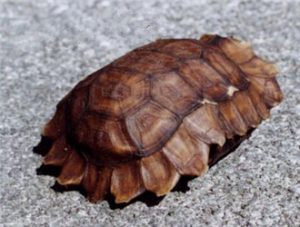
Forest Hinge-back Tortoise
The African hinge-back tortoise (Kinixys erosa), also called the forest hinge-back, is one of the most prized hinge-back tortoises from Africa. It can fold the rear of its carapace — a unique defense and breathing aid — and demands high humidity and experienced care.

Home’s Hinge-back Tortoise
The Home's Hinge-back Tortoise (Kinixys homeana) is a shy, high-difficulty African tortoise known for its hinged rear carapace and a 90-degree rear shell drop. It prefers warm, humid conditions with ample shade and a varied omnivorous diet, but is prone to stress-induced sudden death, so it is not recommended for beginners.

Coahuilan Box Turtle
The Coahuilan Box Turtle (Terrapene coahuila) is an uncommon box turtle that adapts poorly to captivity compared with its eastern relatives. Its plain, unpatterned shell makes it less popular among keepers.

Canine and Feline Dermatitis: Symptoms, Treatment, and Prevention
Dermatitis is inflammation of the skin in dogs and cats from parasites, allergy, infection, or trauma, causing itch, swelling, and crusting. Treatment removes the cause and controls inflammation locally and systemically.