Search Results
73 results for “insecurity”

How to Stop a Dog from Chewing Tissues
To stop tissue-chewing, give plenty of chew toys, spend more time playing or exercising to burn energy, and — if your dog has pica from a mineral deficiency — enrich its diet or add a pet mineral supplement. Consistent training and keeping tissues out of reach also help.

Why Is My Puppy Whining and Whimpering?
A dog may whine from pain, hunger or thirst, a need to toilet, fear or loneliness, a changed environment, cold while sleeping, or simply as a friendly greeting. Persistent whining with other signs such as vomiting or shivering means a vet visit; whining from emotion or change is eased with company and reassurance.

Why Are Small Dogs Often More Aggressive Than Large Dogs?
It's not absolute — a dog's behavior comes from breed, personality, environment, and training. Small dogs often seem fiercer because they feel insecure, lack socialization, or were spoiled, and some breeds are naturally alert and territorial. Good socialization and training, without over-indulging, keep any dog well-mannered.

Do Cats Bully Each Other?
Bullying does occur among cats, yet owners often overlook it—especially in multi-cat homes. Cats are territorial animals that establish a social hierarchy, so competition over food, water, litter boxes, space, or a newcomer's arrival can trigger one cat to intimidate another. Typical bullying includes chasing, pouncing, biting, resource guarding, and social exclusion, while victims may over-groom, hide, lose appetite, or grow aggressive. Left unchecked, chronic stress harms the targeted cat's health and the household's harmony. The good news is that owners can prevent and reduce conflict by providing ample resources, introducing new cats gradually, intervening calmly when fights start, and avoiding favoritism. This guide explains why cats bully, how to spot both the behavior and its victims, and practical steps to restore peace.
Reading Your Cat’s Mood Through Its Tail
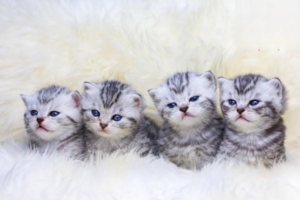
Cats have far fewer facial muscles than dogs or people, so they look 'poker-faced' - attacks or escapes can seem to come from nowhere. But the tail is the open window to mood. A puffed, bristling tail means fear or threat; a tail tucked between the legs signals extreme fright and insecurity; a vertical tail with a hooked tip is a happy greeting; a high straight tail showing the rear is confident love; a gently swaying tail means 'I hear you'; and a tail lashing side to side is irritation, not joy like a dog's wag. Read the tail and you will understand the cat.

Should You Hit a Dog That Won’t Listen?
Every dog owner eventually faces a stubborn pup that does the opposite of what it is told. The instinct to hit can be tempting, but physical punishment rarely teaches good behavior and often backfires. Hitting makes a dog timid, fearful of its owner, or even resentful, leading it to hide, refuse to come home, or act out with revenge behaviors like soiling the house. Instead of raising a hand, build trust by feeding the dog yourself, training patiently from puppyhood with rewards, and bonding through regular companionship and gentle petting. A dog that feels safe and trusted is far more willing to listen.
Why Dogs Get Puffed-Up Fur (Raised Hackles)
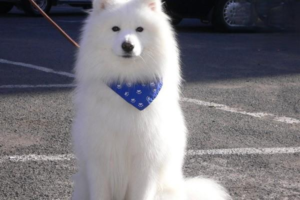
When a dog is angry, scared, or thrilled, the fur along its back may stand up—a reaction called piloerection, or 'raised hackles.' The fur around the neck is special: it has a strong self-restoring ability, so even after a long episode, it returns to normal once the dog calms; other body areas lack this. Some breeds show it more, some less, and the extent varies—neck only, neck-to-rump, or tail. A special muscle attached to the follicles pumps air between hairs to create the effect, and it is involuntary, part of instinct. The purpose is to look bigger, like cats, porcupines, and pufferfish. You can even read a dog's mindset from the pattern: a narrow band from neck to tail means confidence (and a higher chance of initiating attack); three-quarters of the neck raised means insecurity; neck and tail raised but the middle calm means confusion—the best moment to build trust.

Top 5 Dog Breeds That Love to Bark—and What to Do
Some dogs are born loud. The Chihuahua, Beagle, Corgi, Pomeranian, and Yorkie top the list of natural talkers, driven by insecurity, hunting instinct, territoriality, or separation anxiety. None of this is hopeless—steady training, enough exercise, independence building, and careful desensitization to triggers can quiet even a chronic barker. Know the breed's voice before you bring one home.
What does my dog’s sleeping position reveal about its personality?
Sleep posture reflects mood and temperament: side-sleeping means calm and relaxed, easygoing; curled in a ball signals insecurity - gentle, sensitive, fragile, needing attention; sprawled with legs on the floor suggests an energetic, excitable nature; and belly-up shows a confident, highly adaptable dog.
Why has my dog suddenly become so clingy and wants to be held all the time, when it never used to be?
A dog that suddenly becomes clingy may be feeling insecure, stressed or anxious, going through a heat cycle, or be unwell or ill. A dog new to an unfamiliar environment may cling due to stress or insecurity, and this usually eases as it adjusts; fear or anxiety can also make a dog clingier. If the sudden clinginess comes with low mood or loss of appetite, consider that your dog may be sick and take it to the vet.