Search Results
52 results for “inherited disease”
What Is Storage Disease in Dogs?
Storage disease is a hereditary metabolic disorder where certain substances build up abnormally in the body's tissues. The two most reported forms in veterinary medicine are lysosomal storage disease and glycogen storage disease. It strikes dogs and cats, is very rare, and appears early in puppies and kittens because it is inherited. Nerve-related signs include poor growth, ataxia, seizures, exercise intolerance, behavior changes, and vision loss. Diagnosis uses blood, urine, imaging, biopsy, and enzyme tests; care is supportive, and affected dogs should never be bred.
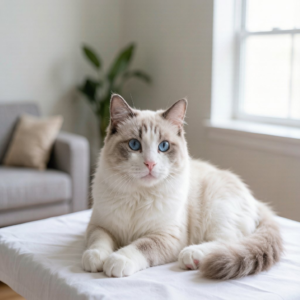
Common Genetic Diseases in Ragdoll Cats
Ragdolls are prone to two inherited diseases: hypertrophic cardiomyopathy, where the heart wall thickens and can cause sudden cardiac death, and polycystic kidney disease, where fluid cysts enlarge the kidneys. HCM peaks at four to eight years and affects about 6 percent of the breed; PKD strikes at three to ten and is avoided if both parents test clear. Neither can be cured, only managed with care, kidney-support diets and vet-guided mineral supplements, so DNA testing and routine prevention matter.

Glycogen Storage Disease in Dogs and Cats
Glycogen storage disease is an inherited metabolic disorder in which a congenital lack of glycogen-splitting enzymes lets glycogen accumulate in the liver, kidneys, and central nervous system. It causes persistent low blood sugar with weakness, seizures, and incontinence, and needs prompt veterinary care to avoid irreversible brain damage.

Canine and Feline Immunodeficiency Disease
Immunodeficiency is a failure of the immune system, born or acquired, that leaves pets unable to fight infections, leading to repeated, hard-to-treat illness. Congenital forms cannot be cured, while acquired forms are managed supportively.
The Effects of Hamster Inbreeding
Inbreeding hamsters is risky: it raises the chance of inherited disease and genetic defects, lowers genetic diversity so offspring get sick more often, and tends to produce weaker, less intelligent pups with higher death rates and reduced fertility. The main reason breeders do it is to lock in a pure bloodline, but the uncertainty is high. For home keepers, the safe choice is to avoid inbreeding entirely, separate males and females into different cages, and if you do plan a litter, pick two healthy, unrelated hamsters and breed them between 5 and 10 months of age.
Why You Might Consider Genetic Testing for Your Dog
People use genetic testing to screen for inherited disease and confirm family ties; dogs can benefit too. A breed dog's DNA test can flag the risk of more than 130 inherited conditions, confirm whether a pricey puppy is truly purebred, serve as proof of identity if it is lost or stolen, and even predict behavior traits. It is a practical tool for smarter, more personal care.
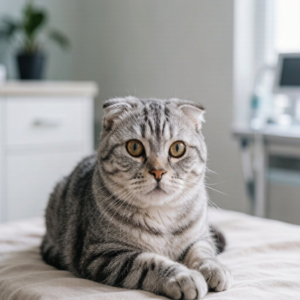
Scottish Fold Cats: Pros and Cons to Consider
Scottish Fold cats win fans with their round eyes, plush cheeks, and famously folded ears, but like every breed they come with both strengths and weaknesses. On the plus side they are loyal, gentle, easy to get along with, quiet-voiced, and quick to learn. The trade-offs are real, though: they are costly, carry a high risk of inherited conditions such as abnormal cartilage growth and narrow airways, have naturally weaker immune systems, and are prone to delicate digestion. Before bringing one home, take an honest look at whether you can meet the extra time, expense, and lifelong commitment their care demands.
Foods That Support Your Dog’s Liver
The liver filters toxins, stores nutrients, and makes bile, yet it stays silent until heavily damaged—so daily support matters. Quality protein, cruciferous vegetables, and berries aid detoxification, while milk thistle, dandelion root, and omega-3s protect cells. Just as vital is what to skip: fatty foods, toxic items like chocolate, onion, and grapes, and human medicines that strain or poison the liver. Keep water flowing and weight healthy.

Pituitary Insufficiency (Pituitary Dwarfism) in Dogs and Cats
Pituitary insufficiency is an inherited failure of one or more pituitary hormones that slows growth and causes symmetric hair loss and delayed bone maturation, most often in German Shepherd puppies. Lifelong hormone replacement is the mainstay of treatment.

Cryptorchidism in Dogs
Cryptorchidism is a hereditary condition in which one or both testicles fail to descend into the scrotum by about six months of age. Unilateral dogs may still breed, but bilateral dogs are infertile and all affected dogs should be neutered early to avoid cancer and inherited risk.