Search Results
148 results for “ingredients”

Cat Food Ingredients to Avoid, No Matter How Cheap
Not all cat food is created equal, and the ingredient list is the single most reliable way to judge quality. Some products hide preservatives, flavor enhancers, and fillers that can harm your cat over time — from potential carcinogens like BHA, BHT, ethoxyquin, and TBHQ to appetite stimulants such as MSG and pyrophosphate. Other risky additives include propylene glycol, nitrites, synthetic vitamin K3, and thickening gums, while artificial colors and sweeteners add sugar and nothing of value. Because cats are obligate carnivores, diets overloaded with corn, wheat, or soy not only lack nutrition but may trigger allergies and even aflatoxin exposure. Learning to read the label helps you protect your cat from low-grade food, no matter how attractive the price.
A Guide to Dog Dewormer Types and Active Ingredients
Spring warms the environment and multiplies parasites, and outdoor dogs are especially exposed to internal and external worms that cause poor nutrition, itchy skin, and organ damage. Deworming also protects people—some parasites spread to humans. With many brands and types, the smart move is to choose on proven ingredients and safety, not fame. This guide walks through the common active-ingredient classes—imidacloprid plus moxidectin, selamectin, fipronil, milbemycin, isoxazolines—and how to pick and dose safely for lasting protection.
CoQ10 for Cats: How to Choose and Use It
Cats enter old age after 7, when heart disease affects a large share of the population, and their own CoQ10 production falls below half of youth levels. For breeds prone to hypertrophic cardiomyopathy, veterinary-guided CoQ10 is common supportive care. This guide explains why cats need CoQ10, the market pitfalls to avoid—false potency, conceptual add-ons, and fake credentials—and the three basics of choosing a product, plus feeding rules and cautions. CoQ10 supports care but never replaces prescribed heart medication.
How Combined Spot-On Parasite Treatments Work
Parasite control is now routine for most pet owners, but choosing among crowded products is hard. Combined internal-and-external spot-on treatments have become the top pick because one monthly application covers many parasites. This guide explains why prevention matters, how a combined spot-on works through the ingredient pair imidacloprid plus moxidectin, and how to apply it safely and conveniently. Quality products are gentle, clearly labeled, and free of harsh additives—making professional-level prevention practical for ordinary homes. Always confirm the right product with a veterinarian.
How to Choose a Parasite Treatment for Cats and Dogs
Parasites are among the most common yet overlooked threats to pet health—even indoor cats can carry fleas, ear mites, or intestinal worms. With many combined internal-and-external products on the shelf, the key is choosing one that is safe, effective, and practical for year-round use. This guide explains why regular control matters, the four points that should drive any choice, the main active-ingredient classes owners will meet, and how to match a product to a pet's age, lifestyle, and parasite risk. Always confirm the right product with a veterinarian.
Why Human Cold Medicine Is Dangerous for Pets
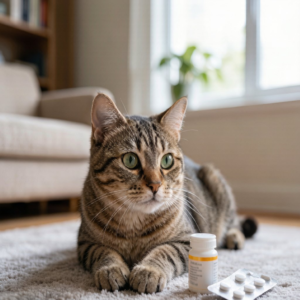
Because cats and dogs metabolize drugs differently from people, they may not process ingredients like acetaminophen, pseudoephedrine, and caffeine, and even small amounts can poison them, sometimes fatally. Most over-the-counter human cold medicines are unsafe for pets. For mild cases when pet-specific medicine is unavailable, gentle herbal options exist, but vet care is best for serious symptoms.
Can Deworming Kill a Cat? Understanding the Rare but Real Risk
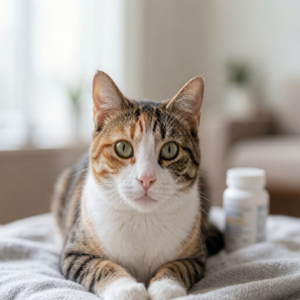
In one reported case, a cat given both a topical and an oral dewormer at the prescribed dose vomited severely through the night and died of dehydration despite IV fluids. It is rare, but it shows deworming is not trivial. Possible causes: an acute allergy to ingredients like albendazole or selamectin (throat swelling, breathing failure, anaphylactic shock); hidden liver or kidney disease that slows drug clearance, worsened by using both products together; stress from rough handling triggering latent illness; and poor management of complications like prolonged vomiting causing low potassium or aspiration pneumonia. To stay safe: dose strictly by weight and age, space topical and oral products 3-5 days apart, and rush to a vet if vomiting exceeds twice an hour.

Can Obesity Cause Fatty Liver in Cats?
Overweight cats are at higher risk of fatty liver, because excess fat around the liver can move into it. Fat cats also more often have diabetes and pancreatitis, which can lead to fatty liver, and prolonged starvation is another common cause. Symptoms include anorexia, weight loss, vomiting, and jaundice, and severe cases can be fatal, so prevention matters.

Can Mosquito-Repellent Perfume Poison Your Cat?
That popular mosquito-repellent perfume (the Chinese "flower water") does pose a real risk to cats. Some formulas contain DEET and pyrethroids, both dangerous to cats, and the alcohol, menthol, and camphor in them also irritate. DEET can disturb the central nervous system at high concentration, while pyrethroids are outright toxic because a cat's liver lacks the enzyme to break them down, so toxins build up and can cause organ failure. Cat homes should avoid the product; use screens, nets, electric swatters, or UV traps instead. If a cat shows tremors or vomiting after heavy exposure, never induce vomiting, go to a vet at once.
How to Choose a Safe Dewormer for Dogs
When picking a dog dewormer, safety beats brand fame, price, or reviews. Weak off-brand products vary in purity, absorption, and residues, and can cause vomiting, diarrhea, lethargy, or skin redness. Judge a product by three things: gentle, compliant, pet-specific ingredients with low toxicity; a precise spectrum covering fleas, lice, mites, roundworm, hookworm, and heartworm prevention; and broad adaptability with very low side effects, including for puppies, adults, and pregnant or lactating dogs. Common active types include imidacloprid-moxidectin spot-ons, fluralaner (an isoxazoline) for long-acting tick and flea control, selamectin for sensitive dogs, and oral fenbendazole-pyrantel-praziquantel for broad internal coverage. Avoid three mistakes: over-frequent or stacked dosing, treating only after you see parasites, and buying unlabeled “no-name” products.