Search Results
132 results for “inflammatory skin”
What does interdigital dermatitis (toe inflammation) look like in cats?
Feline interdigital dermatitis shows as red, swollen, itchy and smelly toes and webbing. The cat licks its paws from discomfort and avoids putting weight on the affected limb. Treatment is simple: trim hair, rinse with saline, disinfect with iodine and apply antibiotic ointment.
How to reduce swelling of a Teddy’s vulva?
Swelling may be heat (estrus), with red, bleeding vulva and slight discharge; keep clean and away from males. If not in heat, suspect fungal or bacterial infection; see a vet. If unavailable, try pet anti-inflammatory pills plus topical antibacterial spray for 5-7 days, continuing 2-3 weeks until healed.
What is the difference between fungal and mite infections in dogs?
Common fungi in dogs include Microsporum canis, M. gypseum, and Trichophyton; fungal infection causes itching, hair loss, round scaly patches, dandruff, papules, and pustules. Mite infection starts with red spots and papules, sometimes blisters, and severe cases bring bleeding, crusting, and thickened skin. Mite infection produces heavy dandruff and crusting faster than fungal. Treatments differ: antifungal drugs for fungi, and acaricide plus anti-inflammation for mites.
Can a dog’s festering wound heal on its own?
A dog's pus wound generally cannot heal alone; infection can rot the skin or cause sepsis. Rinse with saline, disinfect with hydrogen peroxide or iodine, and see a vet for dead tissue or deep wounds; add antibiotics and keep dry.

Does Fish Oil Really Reduce Shedding in Cats?
The omega-3 fatty acids in fish oil have anti-inflammatory effects that can ease a cat's skin inflammation and improve skin health. They also promote skin-cell renewal and hair growth, making the coat shinier and denser, and lower allergic skin reactions that trigger shedding. So modest fish-oil supplementation does help the skin and coat—but shedding is a normal process, so also brush regularly and keep the home clean.
What should I do if my dog’s ear itches and it keeps scratching?
An itchy ear that a dog won't stop scratching may be ear mites, otitis, surrounding skin disease or parasite bites. First put on an Elizabethan collar to prevent hematoma, hair loss and skin damage from scratching. Check the ear: black/brown/reddish discharge usually means ear mites - treat with mite medication. Redness with yellow or clear fluid suggests otitis - use antibacterial ear drops and anti-inflammatories, or see a vet if severe. Hair loss, broken skin or dandruff around the ear points to parasites or skin disease - get a skin scraping to identify the type before medication.

How to Treat a Blocked Tear Duct in Dogs
A blocked tear duct is common and mostly cosmetic, but needs care. At home, wipe the eye twice daily with weak warm saline, keep it clean, and warm-compress and massage the duct. Severe or stubborn cases need a vet for antibiotics, anti-inflammatory drops, or a flushing or stent procedure.
What should I do if my cat has a swollen, raised lump on its lower lip?
A swollen, raised lump on a cat's lower lip is often an insect bite from a mosquito or tick; clean the spot with alcohol. If the cat scratches it, apply a pet anti-itch cream and an Elizabethan collar, then watch for improvement. If it worsens, see a vet - it could also be a skin tumor or inflammatory granuloma needing a specific diagnosis.
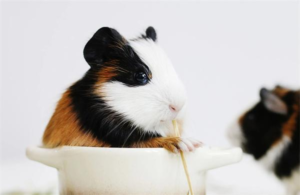
Common Guinea Pig Diseases and Their Symptoms
Guinea pigs commonly suffer digestive troubles (diarrhea, constipation, gut parasites), respiratory infections (pneumonia, bronchitis), skin disease from bacteria, fungus, or external parasites, and urinary issues (cystitis, nephritis). Good diet, clean housing, checkups, and prevention keep them healthy.
Why Do Cats Get Entropion
Entropion is when the eyelid folds inward so the lashes rub the eye, causing pain, discharge, and even corneal damage. Causes include breed conformation, spasms, sunken eyes, or injury. Surgery is the lasting fix; mild cases may be temporarily stitched.