Search Results
2323 results for “inflammation”
How long does a cat’s eye inflammation take to heal?
Causes of feline eye inflammation vary, so treatment and duration differ. Simple conjunctivitis heals in about a week with timely care. Conjunctival edema treated with anti-inflammatory drops recovers in about 3 days. If inflammation persists, see a vet for further checks.
Slight Fever, Bloodwork Shows Inflammation, X-ray Normal, Lethargic—What Should I Do Next?
Poor spirits combined with internal inflammation cannot pinpoint a single cause, since most diseases can lead to inflammation in dogs. Inflammation in dogs may present with several symptoms: decreased or lost appetite and low energy; vomiting and diarrhea; respiratory infections such as coughing, sneezing, and runny nose; and yellow or bloody urine with increased or decreased volume.
2-year-old spayed French Bulldog, suddenly blind in early January; before blindness hit her chin falling off a bed. Eye pressure and retina were fine, no MRI; glaucoma drops and eye-inflammation meds for a month, still blind. Could it be hydrocephalus? Will ignoring it risk life?
Dog blindness has many causes; if eye exams rule out eye disease and retinal nerve issues, brain tumor or pressure, even clotting disorders causing intraocular bleeding and blindness are possible. Thorough eye and body exams find the cause early.
How Long for a Cat’s Anal Gland Inflammation to Heal?
Cat anal gland inflammation rarely heals alone; treat promptly. Mild cases: clean with saline and apply pet ointment daily. Pus or ulcers need a vet. Prevent by expressing glands regularly.
Senior unneutered dog, good spirits and appetite, but frequent urination about every half hour, large volume, often on the bed; ultrasound shows no reproductive inflammation, blood tests normal except mild heart failure
Increased urination in senior dogs is common; aging affects urinary and gut function, needing more water to excrete waste, and temperature changes alter intake. If drinking and urinating rise with weight loss, suspect diabetes and check glucose and urine sugar with low-sugar diet. Painful urination or genital licking suggests cystitis or urethritis; congenital or metabolic diseases like diabetes, kidney disease or Cushing's also cause it.
What does interdigital dermatitis (toe inflammation) look like in cats?
Feline interdigital dermatitis shows as red, swollen, itchy and smelly toes and webbing. The cat licks its paws from discomfort and avoids putting weight on the affected limb. Treatment is simple: trim hair, rinse with saline, disinfect with iodine and apply antibiotic ointment.
What causes eye inflammation in cats?
Cat eye inflammation can come from scratches, feline herpesvirus, and more. Use an Elizabethan collar and see a vet; antibiotic ointments help scratches, while viral conjunctivitis needs antiviral treatment.

Simple Treatments for Rabbit Stomatitis (Mouth Inflammation)
Rabbit stomatitis—from bacteria, poor nutrition, or overgrown teeth—shows as mouth ulcers, drooling, and appetite loss, and can be fatal if untreated. Rinse with a pet oral cleaner or saline, use a mouth spray or iodine glycerin on ulcers, soften the diet, add vitamins B and C, and see a vet for antibiotics or a tooth trim.
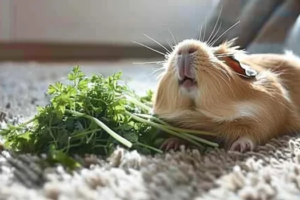
What to Do When Your Hamster Has Eye Inflammation
Hamster eye inflammation is usually conjunctivitis—redness, itching, and tearing, with sticky discharge in the corner of the eye and, in severe cases, poor appetite and low energy. It is treated with antibiotic eye drops containing lysozyme, oxytetracycline, or tylosin, used 2–5 times daily for 5–7 days after wiping away discharge with saline. Keep the cage clean and draft-free, clean the eyes daily, boost nutrition, and fit a cardboard e-collar if your hamster keeps scratching. If there's no improvement after a few days, see a vet.

Early Signs of Cheek Pouch Inflammation in Hamsters
Cheek pouch inflammation in hamsters is usually caused by bacterial infection, poor nutrition, overeating, or a sharp object scratching the pouch, and it can cause appetite loss, bad breath, and lethargy. Left untreated it may become life-threatening. Early signs include reduced appetite, food stuck in the pouch, trouble drinking, and low spirits. Prompt care, gentle massage, diet adjustment, hygiene, and veterinary-guided antibiotics are the main treatments.