Search Results
2323 results for “inflammation”

Common Causes, Medications, and Prevention of Sneezing and Runny Nose in Dogs and Cats
Sneezing and runny nose in pets are symptoms of disease, usually caused by respiratory infections. Sneezing and a runny nose are physiological responses of the nasal mucosa to various irritants; the more common causes are colds and rhinitis. Next, we introduce the causes of sneezing and runny nose in dogs and cats and the medication treatment for the corresponding diseases.

What to Do When Dogs and Cats Have Diarrhea? Keep These Fast Antidiarrheals on Hand
The medical term for diarrhea is diarrhea, which usually refers to changes in bowel habits and stool characteristics, generally manifested as frequent defecation, increased stool volume, loose stools, and bloody stool. Most diarrhea in dogs and cats is caused by gastrointestinal discomfort, but it may also be a concurrent symptom of other diseases. Today we discuss knowledge about diarrhea in dogs and cats.

Can a Cat’s Colitis Diarrhea Heal on Its Own?
In the early stage of chronic colitis, cats have repeated difficulty defecating and may appear to heal on their own for a while, but later develop soft stools, diarrhea, and blood in stool, which is usually difficult to heal on its own. So how should feline colitis diarrhea be treated if it cannot heal on its own? Today we explain in detail!
What Causes Bloody Stool From Cat Colitis
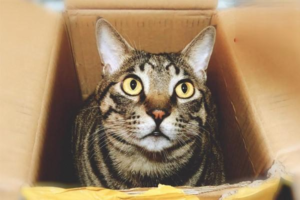
Bloody, foul cat stool usually means colitis—from diet change, foreign objects, bacteria, parasites (coccidia, Giardia), drugs, or allergies. Treatment pairs diet and probiotics with targeted antiparasitic, antiallergy, and antibiotic care.

Treatment Methods for Rabbit Pododermatitis (Sore Hocks)
Rabbit pododermatitis (sore hocks) is quite common, so it is important for owners to learn how to treat it. It must be treated early, otherwise the impact and the time needed for a cure will be greater. Today we share some treatment methods for rabbit pododermatitis, hoping they help!

Cat Colitis: Symptoms & How to Treat
Cat colitis starts with normal appetite but frequent soft, bloody, foul stools and can progress to watery sprayed diarrhea. Home care uses amoxicillin and bismuth; prescription care may add atropine, gentamicin, or fluids.
Rabbit Foot Dermatitis: Symptoms & Treatment
Rabbit sore hocks start as hair loss, crusting, and redness, then deep pus cavities if untreated—even sepsis. Treatment is daily cleaning with peroxide, deep medication, an E-collar, and consistent care.
Rabbit Foot Dermatitis: Symptoms & Treatment
Rabbit sore hocks start as hair loss, crusting, and redness, then deep pus cavities if untreated—even sepsis. Treatment is daily cleaning with peroxide, deep medication, an E-collar, and consistent care.
Rabbit Foot Dermatitis: Symptoms & Treatment
Rabbit sore hocks start as hair loss, crusting, and redness, then deep pus cavities if untreated—even sepsis. Treatment is daily cleaning with peroxide, deep medication, an E-collar, and consistent care.
Rabbit Foot Dermatitis: Symptoms & Treatment
Rabbit sore hocks start as hair loss, crusting, and redness, then deep pus cavities if untreated—even sepsis. Treatment is daily cleaning with peroxide, deep medication, an E-collar, and consistent care.