Search Results
2323 results for “inflammation”

Is Bad Breath Normal During Cat Teething? How to Fix It
Bad breath in a teething cat (around 5–6 months) is not normal — at this age kidney disease or tartar is rare, so the cause is usually trapped food from retained or slow baby teeth, gum inflammation from bleeding sockets, or gut upset from fast or mixed feeding. Fix it by starting gentle brushing, watching for retained teeth (pull them), and feeding small frequent soft meals with probiotics.

Can You Use Povidone-Iodine (Iodine) for Dog Dermatitis?
Can you apply iodine to dog dermatitis? The answer is yes and no. Iodine disinfects but does little against the real causes like fungi and parasites, and it can block antifungal drugs. Here is the nuance and the right treatment.

How to Treat Dog Allergic Dermatitis (and Which Cream Helps)
Dog allergic dermatitis is tied to the immune system - contact with pollen, dust, or food triggers skin inflammation. The best fix is finding and removing the allergen. Here is how to treat it and which medicine helps.

What Causes Dog Dermatitis, and How to Prevent It
Dog dermatitis is skin inflammation from bacteria, fungi, or abrasions. When you see red rash, pustules, or crusting, treat promptly to stop it spreading. Here is what causes it and how to prevent it.

What Is the Best Medicine for Dog Dermatitis?
The best medicine for dog dermatitis depends on the cause and severity - treat the right type to heal faster. Here are the main types and the matching treatments.

How to Treat Infectious Canine Hepatitis
There is no specific cure for infectious canine hepatitis - treatment is symptomatic, based on signs and experience. Best of all is prevention: vaccines are over 90% effective. Here is how it is treated.
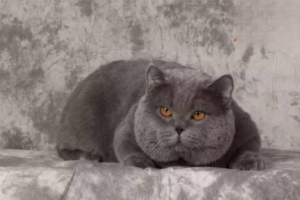
Can You Use Erythromycin Ointment for Cat Eczema? (and What to Use)
Erythromycin ointment is an eye ointment for conjunctivitis with some anti-inflammatory effect, but it does little for cat eczema. Here is why, and what actually works.

Causes and Symptoms of Acute Hepatitis in Cats
Acute hepatitis in cats shows as vomiting, fever, poor appetite, weight loss, and yellowed skin (jaundice). Causes range from viruses and bacteria to heart failure, toxins, and drug allergies. Here is a detailed look.

Understanding Cat Chronic Hepatitis
Many owners panic when a cat is diagnosed with chronic hepatitis, fearing they will lose their pet. In fact it is not a death sentence and can be cured - the earlier treatment starts, the faster the recovery. Here is what chronic hepatitis really means.

Transmission Routes of Infectious Canine Hepatitis
Infectious canine hepatitis spreads through the digestive tract, the placenta, respiratory contact, and external parasites. Secretions and excretions from sick dogs and recovering carriers stay infectious and must be handled carefully. Here is how the disease spreads and what symptoms to watch for.