Search Results
2323 results for “inflammation”

What to Do When Your Cat Is Constipated
Cat constipation is common but should not be ignored, as it can progress to megacolon. Learn the warning signs, the many possible causes, and the treatment and prevention steps from diet and weight control to stress reduction.

Can Mosquito Repellent Poison Your Dog?
DEET, the most common repellent, is toxic to dogs through skin, eyes, and lungs. Higher concentration means greater danger. Choose pet-safe labeled products.

Three Common Dog Illnesses in Autumn and Winter
Cooler months bring three common threats: colds, bronchitis and gastroenteritis. Know the signs, keep your dog warm and dry, and consult a vet if symptoms linger or worsen.

A Complete Guide to Dog Skin Diseases
Skin problems peak in spring and summer and can stem from diet, environment or weak skin resistance. This guide covers nine typical conditions, from mange and ringworm to pyoderma and endocrine hair loss, with their causes and signs.

Intestinal Intussusception in Dogs: An In-Depth Guide
Intussusception occurs when one segment of the intestine telescopes into an adjacent section, most often in the small intestine. A complete blockage can cause acute, severe symptoms and even shock or death. Recognizing the causes and diagnostic steps helps your vet treat it before it becomes life-threatening.
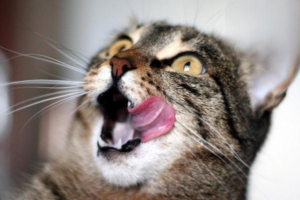
Feline Stomatitis: Symptoms and Treatment
Stomatitis is a relatively common disease in cats, mostly caused by feline calicivirus, and is incurable for life. It therefore requires extra care and attentive attention from the owner. Keeping the cat's immune system strong helps keep the condition well controlled.

Feline Hepatitis and Gastroenteritis: Symptoms and Treatment
Feline hepatitis and feline gastroenteritis are different conditions. Feline hepatitis is caused by viruses, parasites, immune-mediated factors and the like, and may involve the bile ducts, forming cholangiohepatitis. Gastroenteritis, on the other hand, is inflammation of the gastrointestinal tract that leads to vomiting and diarrhea, mainly caused by Escherichia coli and Campylobacter infections; other causes include stress, overeating, and sudden temperature changes.

Why Is My Cat Sneezing but Still Eating and Drinking Normally
What causes a cat to sneeze? If the cat still eats and drinks normally, look first at the more benign reasons; only if those are ruled out should you consider the less optimistic ones.

Canine Herpesvirus Infection
Canine herpesvirus infection is an acute, fatal infectious disease of newborn puppies caused by canine herpesvirus. Dogs over 2 weeks old show tracheitis, bronchitis and other respiratory signs; bitches can have infertility, abortion and stillbirths; males show balanoposthitis and funiculitis. The virus is widespread in breeding kennels.

Why Is My Dog Having Diarrhea and a Fever?
A dog's fever usually comes from respiratory illness (cold, bronchitis, pneumonia), internal parasites (causing gut inflammation, poor appetite, anemia, fever), or infectious disease like distemper (strong gut reaction - best treated at a hospital).