Search Results
2323 results for “inflammation”

How to Treat a Puppy With a Cold
A puppy cold is not the same as a human one, and treatment depends on how far it has progressed — from mild sneezing to a possible viral infection. Most mild cases settle with rest and vet-approved care, but vomiting, diarrhea, and fever together are a red flag that needs a clinic immediately.

What to Do About Pus-Like Eye Discharge in Cats
Thick, pus-like eye discharge is a warning sign, not just dirt. It can come from a hot, fiber-poor diet, conjunctivitis, or a viral or bacterial infection — and because the eyes often signal inner trouble, persistent discharge means a vet visit.

What to Do When Your Dog Won’t Eat and Vomits
A dog that skips meals and vomits deserves attention. The vomit's look points to the cause — undigested food suggests overeating or hard-to-digest meals, while frequent vomiting with no appetite can signal infection or gut inflammation that needs a vet.

Canine Gastroenteritis
Gastroenteritis is inflammation of the stomach and intestinal lining, showing up as digestive upset, abdominal pain, diarrhea, fever, or toxemia. It can be primary or secondary, and the main job at home is to rest the gut, then reintroduce food and water carefully.

How to Tell If Your Dog Has a Fever
The most reliable sign of fever is body temperature: a puppy's normal range is about 38.5–39°C, best measured rectally. Watch also for rapid hot breathing, low energy, dry peeling nose, and poor appetite — then confirm with a thermometer.

How to Reduce Shedding in a Pug
Pugs shed, but how much depends on daily care. Over-bathing, human shampoo, too little sunlight, and poor diet all make shedding worse, while regular brushing, good nutrition, and quick attention to skin trouble keep the coat under control.

What to Do About a Puppy’s Pus-Like Nasal Discharge
Puppies get runny noses often, and some discharge is normal, but thick pus-like discharge with sneezing, dried mucus, low appetite and sleepiness signals illness. Warm the pup, confirm fever, and treat a cold or respiratory infection; severe cases need the vet.

How to Treat Canine Distemper
Canine distemper will not clear on its own and spreads easily, so isolate the dog and start treatment at once. Its hallmark is a fever that spikes, drops and returns. Care centers on a vet-prescribed supportive combination plus close temperature monitoring and fluids.
Why are the gaps between my dog’s toes red and dry?
Redness and dryness between a dog's toes is usually a fungal or bacterial infection, or irritation from a toe caught in cage bars during long confinement. Letting the dog walk on open floor (or adding a soft pad) and keeping the paws dry usually resolves it; for an infection, clean with an antiseptic and disinfect the living area.
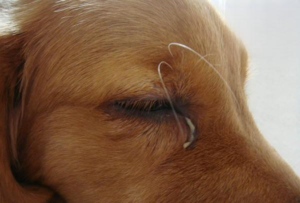
Why Your Dog’s Eyes Are Red with Crusty Discharge
Red eyes with crusty discharge signal eye disease — keratitis, corneal ulcer, cataract, or entropion. Each looks different; most respond to a saline rinse or antibacterial drops, but entropion needs surgery to stop relapse.