Search Results
2323 results for “inflammation”

Ear Mites in Cats and Dogs: Symptoms and Treatment
Ear mites are a common ear parasite in cats and dogs that trigger allergy and can lead to secondary infection. Itching, head-shaking, and dark debris are the classic signs — and a 2-3 week cleaning plus medication plan clears most cases.
Why Your Cat Won’t Eat Its Food
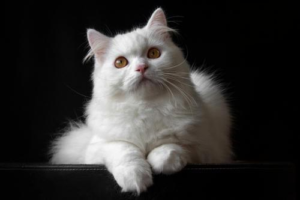
A cat that refuses food needs attention — some causes are simple, others serious. A vet will ask about recent diet and household changes and run tests to find the reason, and prompt care leads to good outcomes for many conditions.
Is Your Cat’s Vomiting a Sign of Illness?
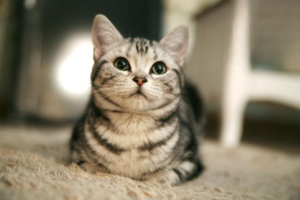
Occasional vomiting in cats has many causes, from harmless hairballs to serious disease. Knowing which warning signs point to a real medical problem — and what to track before you call the vet — helps you act at the right time.

Cat Vomiting: Causes and How to Tell What’s Wrong
Cat vomiting has dozens of causes—from eating too fast and hairballs to infections, toxins like lilies, and organ disease. Telling active vomiting from passive regurgitation, then reading the vomit, frequency, and your cat's energy, narrows the cause before a vet visit.
Sprain or Break? How to Tell If Your Cat’s Leg Is Injured
The surest way to tell a sprain from a fracture is an X-ray: a break shows a clear crack, while a sprain is soft-tissue damage with no fracture line. Limping that avoids weight needs an X-ray, and treatment ranges from splints to surgery depending on severity.

How to Care for a Cat With Heavy Eye Discharge
A small amount of white discharge is normal for cats, but a sudden increase usually means something is wrong—internal heat, conjunctivitis, or cat flu. Daily cleaning helps, yet the real fix is finding the cause, and pus or severe signs call for a vet.
Why Are My Cat’s Tears Red?
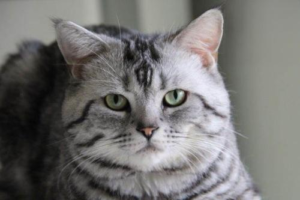
Normal clear cat tears can oxidize in air to a rusty red—that is harmless. But red tears paired with swelling, mucus, or eyes glued shut signal conjunctivitis from bacterial or viral infection and need cleaning plus vet-recommended eye care.

What Are the Symptoms of a Cold in Persian Cats?
Colds are common in cats with weaker constitutions. A Persian cat with a cold shows sneezing, a runny nose, and coughing, and may run a fever when it is severe—so keep the cat warm to keep the illness from worsening.
Why Is My Cat Crying?
A "crying" cat usually means one of two things: an eye problem such as a foreign object, inverted lashes, or feline rhinotracheitis, or a cat in heat vocalizing like a baby. Eye signs need prompt care to avoid chronic damage, while heat behaviors are normal but worth recognizing.

How to Remove Tear Stains on a Puppy
Tear stains on a puppy usually point to poor eye hygiene or a salty diet. Most cases clear up with a dog-safe eye rinse, daily warm-water cleaning, and a light diet rich in eye-friendly vegetables—typically within about a month of consistent care.